Summer golf trip up north: what to pack for Queensland, the Top End and Fiji in the wet season
Cancer Council says caps and visors don't give enough sun protection, and most golfers still wear one. A summer trip to Queensland, the Top End or Fiji asks for a different suitcase to a southern spring round: here is what to pack, from sunscreen to spare gloves, and what the wet season changes.

In brief
- Sun first: broad-spectrum, water-resistant SPF 50 or 50+, applied 20 minutes before you go out and again every two hours, plus a broad-brimmed hat rather than a cap.
- Humidity is the real enemy of your grip: pack three or four gloves to rotate, a dry towel and a sweat towel, and a spare shirt for the back nine.
- Liquids in the cabin are capped at 100 ml per container on international flights, with no limit on domestic flights, so the big sunscreen bottle only flies in your cabin bag within Australia.
- The northern wet season runs from 1 October to 30 April and cyclone season from 1 November to 30 April: book early tee times, watch the Bureau's warnings and check what your travel insurance covers.
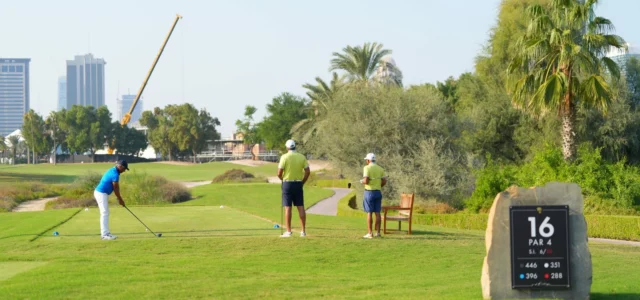
November is when the golf trip talk starts in earnest. Someone in the Saturday group has found cheap flights to the Gold Coast, someone else fancies a week in Port Douglas after Christmas, and there is always one mate pushing for Fiji. Heading north in summer sounds like the easy option: long days, warm water, a cold one after the round. But summer golf in the tropics and subtropics is a different game to a mild spring morning in Melbourne or Adelaide. The heat starts early, the humidity soaks your grips by the 6th, afternoon storms roll in on cue, and the sun up there is harsher than most southerners give it credit for. What goes in your bag and your suitcase decides whether you come home with a few good scores or a peeling neck and a sore back. Here is how to pack for it, and what changes between the Sunshine Coast, the far north, the Top End and an island across the water.
Start with the sun, not the clubs
Every Australian golfer knows Slip, Slop, Slap, Seek, Slide. Fewer of us actually do all five over four and a half hours on an exposed course. Cancer Council Australia’s version is worth reading again before a summer trip, because each step maps onto something you can pack.
- Slip on clothing that covers as much skin as you can bear. A long-sleeved collared golf shirt in a light, breathable fabric is cooler than it sounds, and a UPF rating on the label tells you how much UV the fabric blocks.
- Slop on a broad-spectrum, water-resistant sunscreen rated SPF 50 or SPF 50+. Cancer Council says to put it on at least 20 minutes before you head outside and to reapply every two hours, and after heavy sweating. On a golf course that means once in your room, then again around the 6th and the 12th, not once in the car park.
- Slap on a hat. This is where most golfers fall short: Cancer Council says caps and visors don’t give enough protection, and recommends a broad-brimmed, legionnaire or bucket-style hat that shades the face, nose, neck and ears. A wide-brimmed golf hat costs you nothing in your swing once you’re used to it.
- Seek shade between shots. Stand under a tree while your partner plays, and park the buggy in the shade when you can. Shade doesn’t stop reflected UV off water and pale sand, so it works with the other four, not instead of them.
- Slide on close-fitting, wraparound sunglasses that meet the Australian Standard AS/NZS 1067.
Cancer Council recommends sun protection whenever the UV index reaches 3 or higher. On a summer golf trip anywhere north of the Tropic of Capricorn, assume you’re above that from your first tee time to your last putt, and check the day’s UV forecast before you head out.
Golfers burn in the same places every time: the back of the neck, the tops of the ears, the nose, the bottom lip and the back of the hand without a glove. Pack a sunscreen stick for ears, nose and lips, since it won’t leave your grips slippery, and an SPF lip balm that lives in your pocket.
Dress for heat and humidity, then add one layer
The southern trick of peeling off layers through the round doesn’t really apply in the tropics in December. You’ll start warm and finish hot. What you need instead is clothing that dries fast and a way to change halfway through.
- Two shirts per round on the most humid days: one to play the front nine, a dry one in the bag for the back nine. It sounds fussy until you’ve tried it once.
- Light-coloured, loose-fitting gear. Healthdirect, the national health advice service, suggests light-coloured and loose-fitting clothes in hot weather, and that holds on the course too.
- A thin, packable rain shell. Summer storms in Queensland and the Top End can arrive fast in the afternoon, and five minutes in a downpour followed by blazing sun is a lot more comfortable with a shell you can stuff back in the bag.
- Golf shorts and at least one pair of trousers, plus collared shirts. Dress codes at resort and private courses vary, so check each club’s website before you go rather than guessing.
If you’re heading north from Hobart or Melbourne, it’s also worth packing for the trip home. A late flight and a cool southern morning after a week in the tropics can feel brutal, so keep a jumper in the carry-on.
Grip and gloves when everything is wet
Humidity is what catches southern golfers out more than heat. Your hands sweat, the glove goes soggy, the grips go slick and you start squeezing the club to hang on, which is the beginning of most bad swings.
Pack more gloves than you think you need. Three for a three-round trip is a minimum; four is better, so you can rotate two during a round and let one dry on the buggy while you wear the other. Peel the wet one off between shots rather than leaving it on your hand. We go into fit, material and how to rotate them in our piece on golf gloves in heat and sweat.
Take two towels. One stays bone dry, clipped inside the bag or under the buggy seat, for grips and clubface. The other is your sweat towel for hands, face and neck. A small microfibre cloth soaked in cold water from the esky and draped around your neck on the walk to the tee helps more than you’d expect.
Check your grips before you leave. If they’ve gone shiny or hard, give them a scrub with warm soapy water and a soft brush, then dry them fully. If they’re worn through, regrip a week or two before the trip so you’re used to the feel by the first tee.
Balls, tees and the extra metres
Warm air is less dense than cool air, and a warm ball comes off the face livelier, so your irons will carry further on a humid 30-degree day in Cairns than they did on a cold morning back home. If your last few rounds were in a southern spring, give yourself the first nine to recalibrate before you trust your numbers. A bucket on the range on arrival day and a close look at where your 7-iron actually lands will save you a few flown greens.
Bring plenty of balls. Plenty of northern courses wind through water, mangroves and thick tropical rough where a ball is gone the moment it leaves the short grass. On an unfamiliar layout, a dozen a round for a mid-marker isn’t overdoing it. If you’ve got a ball you like, pack it from home rather than hoping the pro shop has it.
One caution on storage: a dozen balls left in a closed car on a 35-degree day get very hot, and so does everything else in the boot. Our guide to golf balls in a hot boot covers what heat does and doesn’t do to them. Carry tees in a couple of lengths, a spare ball marker and a pitch mark repairer. They weigh next to nothing and always go missing.
The carry-on: what you can’t do without on day one
A golf bag that turns up a day late is only a problem if everything you need was inside it. Hire clubs are easy to find at most resort courses; hire shoes in your size are not. Your carry-on should let you play a round the afternoon you land.
- Golf shoes, or spikeless shoes you can play in.
- A glove, a sleeve of balls, tees and a marker.
- Your rangefinder or GPS watch, and its charger.
- One full golf outfit, including a hat.
- Prescription medication, sunscreen and a water bottle.
The liquids rule depends on where you’re flying. On international flights from Australia, the Department of Home Affairs limits liquids, aerosols and gels in your carry-on to containers of 100 ml or less, all fitting in one transparent, resealable plastic bag, and the same restrictions apply on international flights into Australia. On domestic flights there’s no limit on the liquids you can carry on board. So a big bottle of sunscreen is fine in your cabin bag from Sydney to Cairns, but on the way to Nadi or Denpasar it goes in the checked luggage, with a travel tube under 100 ml in the carry-on.
Before you fly, check your airline’s rules and fees for golf bags, take the head off an adjustable driver, and put a stiff arm or an old broom handle in the bag to protect the longest club. A photo of your clubs before check-in makes any damage claim much simpler.
Look after your body in the heat
The real risk on a summer golf trip up north isn’t a pulled hamstring. It’s heat. Healthdirect’s advice is simple and fits golf well: drink water even when you don’t feel thirsty, carry water when you’re outside, and where you can, avoid being outdoors between 11am and 3pm. On a golf trip that means booking early tee times, ideally first off, and leaving the middle of the day for the pool.
Know the signs of heat exhaustion that Healthdirect lists: thirst, headache, dizziness, muscle cramps or weakness, and feeling faint. If someone in your group shows them, get them into shade, have them lie down and drink, and don’t send them out for the back nine. If you suspect heatstroke, call triple zero (000) and ask for an ambulance.
Warm up before every round, even when it’s already warm, because a stiff back from the flight doesn’t care about the temperature. Our five-minute warm-up for summer heat works on a crowded resort range. Don’t book 36 holes on the first day, and go easy on the beers the night before an early start: alcohol and heat are a bad mix, and Healthdirect lists alcohol among the drinks to avoid in hot weather.
Pack blister plasters and a small first-aid kit. New shoes, hot feet and firm fairways are a reliable recipe for blisters, so wear new shoes around home for a week before you leave.
Where to play this summer, and what each spot asks of your suitcase
The Gold Coast and Sunshine Coast. The easiest summer trip for most of the east coast: a short flight or a long drive, plenty of courses, and a climate that is warm and humid rather than brutal. Expect afternoon storms on some days, so book morning rounds, pack the rain shell and keep the spare shirt in the bag. If the greens you play are couch rather than the bentgrass many southern golfers putt on, give the first round an extra look at every hole: couch greens can grow in a direction, a putt down the grain runs faster than it looks, and the ragged side of the cup shows you which way the grass is leaning. Around the greens, a low chip played like a putt is usually safer than a lob off a tight couch lie.
Port Douglas, Cairns and the far north. Summer is the wet season in the tropics. The Bureau of Meteorology’s official northern wet season runs from 1 October to 30 April, and the Australian tropical cyclone season from 1 November to 30 April. That doesn’t mean it rains all day, but it does mean high humidity, heavy showers and the chance of a tropical low or cyclone disrupting plans. Check the Bureau’s warnings in the days before you go and during the trip, and read your travel insurance for what it says about cyclones. If you plan to swim, remember it’s also stinger season in north Queensland: stick to patrolled beaches, swim between the flags and follow the lifesavers’ advice.
Darwin and the Top End. The hottest, wettest option on the mainland in summer, and the build-up before the monsoon is famously sticky. If you go, play at first light, carry more water than seems sensible, and treat a midday round as a mistake rather than a challenge. Pack the full glove rotation and two towels without fail.
Fiji. A popular island trip for Australian golfers, but Smartraveller notes that November to April is cyclone season in Fiji, and that cyclones can happen at other times too. Smartraveller advises every overseas traveller to take out travel insurance; check the policy covers your clubs and what happens if a storm cancels flights. The 100 ml liquids rule applies both ways, so check the sunscreen in your carry-on.
Bali and elsewhere in Asia. The same logic applies: humidity, heat, afternoon storms and international liquids rules. Check Smartraveller’s current advice for the country before you book, and make sure your insurance covers golf equipment.
The summer golf trip packing list
- Sun: broad-spectrum, water-resistant SPF 50 or 50+, a sunscreen stick for ears and nose, SPF lip balm, a broad-brimmed hat, wraparound sunnies that meet AS/NZS 1067.
- Clothes: long-sleeved and short-sleeved collared shirts in light colours, two shirts per humid round, shorts and trousers, a packable rain shell, a jumper for the trip home.
- Grip: three or four gloves, one dry towel and one sweat towel, clean or fresh grips.
- Bag: a dozen balls a round, tees in two lengths, ball markers, a pitch mark repairer, rangefinder.
- Carry-on: shoes, glove, balls, rangefinder and charger, one golf outfit, medication, a sunscreen tube under 100 ml for international flights.
- Body: a big water bottle, blister plasters, a small first-aid kit, early tee times and one round on day one.
- Paperwork: travel insurance that covers golf gear and weather disruption, the airline’s golf bag rules, a photo of your clubs.
Pack the night before, lay the list out next to the bag, and leave room for the shirt you’ll inevitably buy at the turn. Then all that’s left to sort out on the first tee up north is whether the 7-iron is now an 8.