Scottsdale and Arizona: the winter golf road trip
Peak season runs January to April and the shoulder months give you nearly the same golf for a fraction of it. The ball flies further in dry desert air, and the desert is a hazard rather than somewhere to search.

In brief
- Compare peak, shoulder and summer rates: it is the largest variable in the budget.
- Expect five to ten percent more carry, and more again at elevation.
- There is no rough. Two yards offline can be unplayable, so take the drop.
- Ask about overseeding dates if you travel in October or November.
- Base yourself once; the valley puts everything within thirty minutes.
Scottsdale exists, from a golfer’s point of view, because January in most of America is unplayable. The Arizona desert offers reliable sunshine, several hundred courses within an hour’s drive, and a booking market that swings wildly with the season. Here is how to plan the trip so you are not paying peak rates for a course you could play in July for a third of the price.
The seasons, which matter more than the courses
Peak season runs roughly January through April, when the weather is close to perfect and the rates are at their highest. This is when the tournament comes to town, when the seasonal residents are in place, and when a round at a resort course costs what a round at a resort course costs anywhere.
Shoulder months on either side offer very nearly the same golf for considerably less. November and December, and May into early June, are warm enough to play in shirtsleeves, cool enough to walk, and a fraction of the February price.
Summer is brutally hot, with daytime temperatures that make afternoon golf genuinely inadvisable, which is why summer rates in Phoenix are among the cheapest in the country for courses of this quality. Dawn tee times in July are a real option for a golfer who does not mind a five o’clock alarm and is finished by nine.
If your dates are flexible, the shoulder is the answer, and the difference is usually the largest single variable in the trip’s budget.
Desert golf plays differently
Two things change, and both cost strokes to visitors who have not thought about them.
The ball flies further. Dry desert air is less dense than the humid air most American golfers play in, and much of Arizona sits at elevation: Phoenix is around 1,100 feet, Tucson closer to 2,400, Sedona and Flagstaff higher again. Expect five to ten percent more carry than you are used to, more than that at altitude, and check your distances on the range before the first tee rather than discovering them over a green.
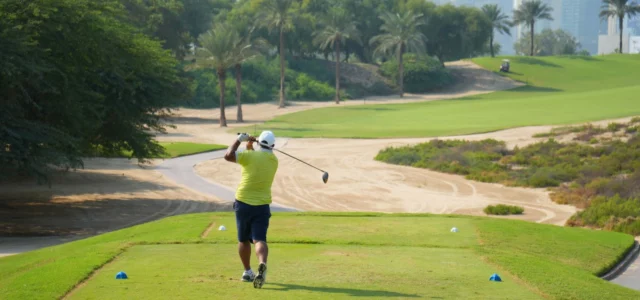
There is no rough. Desert courses are corridors: fairway, then a transition area, then desert. A ball two yards off line can be genuinely unplayable among cholla, rock and creosote, and the desert is defined as a penalty area on many courses precisely because searching in it is a bad idea.
Play to the middle, treat the desert as a hazard rather than as somewhere to look for a ball, and take the drop. A useful local convention: if you cannot see your ball from the edge, do not walk in after it.
The itinerary that works
Base yourself once. Scottsdale and the surrounding valley put a very large number of courses within thirty minutes of each other, and moving hotels mid-trip costs half a day for no golfing benefit whatsoever.
Two rounds a day is possible in shoulder season and a mistake in peak heat. The better structure is one round in the morning, a long lunch, and an afternoon on a short-game area, which is where the desert bounce and the firm greens are actually learned.
Leave one morning free. Something will go wrong with weather, fatigue or a hangover, and an itinerary with no slack turns that into a lost round you paid for.
Tee times and how to get them
Resort courses give priority to guests staying on the property, municipal courses take everybody, and the difference in price between the two is large.
The municipal and city courses across the valley are the underrated half of Arizona golf: proper desert layouts at a fraction of the resort rate, and a resident and non-resident pricing structure that still leaves the visitor well ahead.
Booking windows open earlier than most visitors expect, and the good morning slots in January are gone weeks ahead. Book the anchor rounds as soon as the dates are fixed and fill in around them.
Twilight is the local’s move. From mid-afternoon the rate drops substantially, the heat eases, and the light on the desert in the last two hours is worth the round on its own. Check sunset times, which are earlier than you think in December and January.
Grass, overseeding and the fortnight to avoid
Arizona courses are Bermuda, which goes dormant and brown in winter, so almost all of them overseed with ryegrass in the autumn to stay green and playable through the season.
The process closes courses or moves play onto temporary greens for a period, typically somewhere between early October and mid-November, and the turf is thin for a fortnight afterward.
Every course publishes its overseeding dates. Ask when you book, particularly if you are travelling in the shoulder season, and treat an unusually attractive October rate as a question rather than a bargain.
What to pack that you would not normally
More water than you think, and a way to carry it. Dehydration in dry heat arrives without the warning that humidity gives you, because sweat evaporates before you notice it.
Sunscreen and a wide brim, because desert sun at elevation burns considerably faster than coastal sun, and reapplication at the turn is not optional.
Extra balls, because the desert keeps what it takes. A ball retriever is useless here.
Shoes with real grip, since transition areas are loose underfoot, and layers for the morning: a January dawn in Phoenix can be in the forties before reaching the seventies by noon.
Beyond Scottsdale
Tucson is two hours south, quieter and generally cheaper, with the same reliable winter weather and a different feel: more Sonoran desert, fewer resorts, and courses that see less traffic.
Sedona, two hours north, adds red-rock scenery and higher elevation, which means more carry and noticeably cooler temperatures. In summer it is a genuine escape from the valley heat.
The Phoenix municipal system and the city courses across the valley deserve a day of any trip, both for the price and because they are where local golf actually happens.
A week that spends four days in the valley and two further afield gives a far better sense of Arizona golf than seven days on the same three resort courses.
Where to book, and the three tiers of Arizona golf
The market divides into three tiers and mixing them is what makes a trip affordable.
The resort tier. Scottsdale and the surrounding valley carry a large concentration of resort golf, priced accordingly in season, with tee-time priority for guests staying on the property. One or two of these are what the trip is for; five of them is what makes a trip cost what a European holiday costs.
The daily-fee tier. Between the resorts sits a large number of good public desert courses that sell tee times to anybody, at perhaps half the resort rate, and several of them are better golf than their price suggests. This is where the middle of a sensible itinerary belongs.
The municipal tier. The City of Phoenix golf system and the municipal courses across Scottsdale, Mesa, Tempe and Tucson are the underrated half of Arizona golf: proper desert layouts at a fraction of the resort rate, with resident and non-resident pricing that still leaves a visitor well ahead. The city parks pages carry the rates and the booking windows, and they are not indexed anywhere useful.
Book resort rounds directly with the property, since packages and stay-and-play rates usually beat anything a platform lists. Use GolfNow and TeeOff to see what is genuinely available across the valley on your dates, and to find the twilight slots that make an extra round almost free.
Two questions worth asking every course when you book: whether carts are mandatory, which most desert courses require and which adds up across a week, and whether there is a forecaddie programme, which on an unfamiliar desert layout is worth several shots and considerable time not spent looking in cactus.
Panxis Golf has no commercial relationship with any course, resort or booking platform mentioned here and earns no commission.
Getting there and getting around
Phoenix Sky Harbor is among the easiest major airports in the country to fly into and out of, and it sits close enough to the valley that a mid-morning arrival can still play an afternoon twilight round.
A rental car is not optional. Nothing in Arizona golf is walkable between properties, the valley is large, and a course thirty minutes away at nine in the morning is fifty minutes away at five in the afternoon.
Fly with your clubs or ship them, but check the airline’s sporting equipment policy before booking rather than at the counter. Several resorts and courses rent current-model sets, which for a short trip can cost less than two airline bag fees.
Planning notes
- Compare peak, shoulder and summer rates for the same course before fixing your dates. The gap is usually the largest variable in the budget.
- Ask about overseeding dates in writing if you are travelling in October or November.
- Check whether carts are mandatory, which most desert courses require, and factor it into the total.
- Book the anchor rounds first and leave one morning free for weather or fatigue.
- Check your carry distances on the range before the first tee: everything flies further here.
One habit that improves every Arizona round: accept before the first tee that you will hit something into the desert this week. Golfers who treat the first lost ball as a disaster spend the rest of the round steering, and steering is how a good trip becomes an expensive one.
Rates change by season, by day and by resort package. Confirm the total with each course when you book. Panxis Golf has no commercial relationship with any course, resort or booking platform mentioned here.