Golf clothes that work: what matters in a rain jacket, a polo and a pair of pants
FootJoy HydroLite X, Zero Restriction Power Torque, Peter Millar Crown Sport, FootJoy ProDry, Under Armour Drive and Puma Dealer: U.S. prices in October 2026 from $49.99 to $340, and the specs that decide whether golf clothing works.
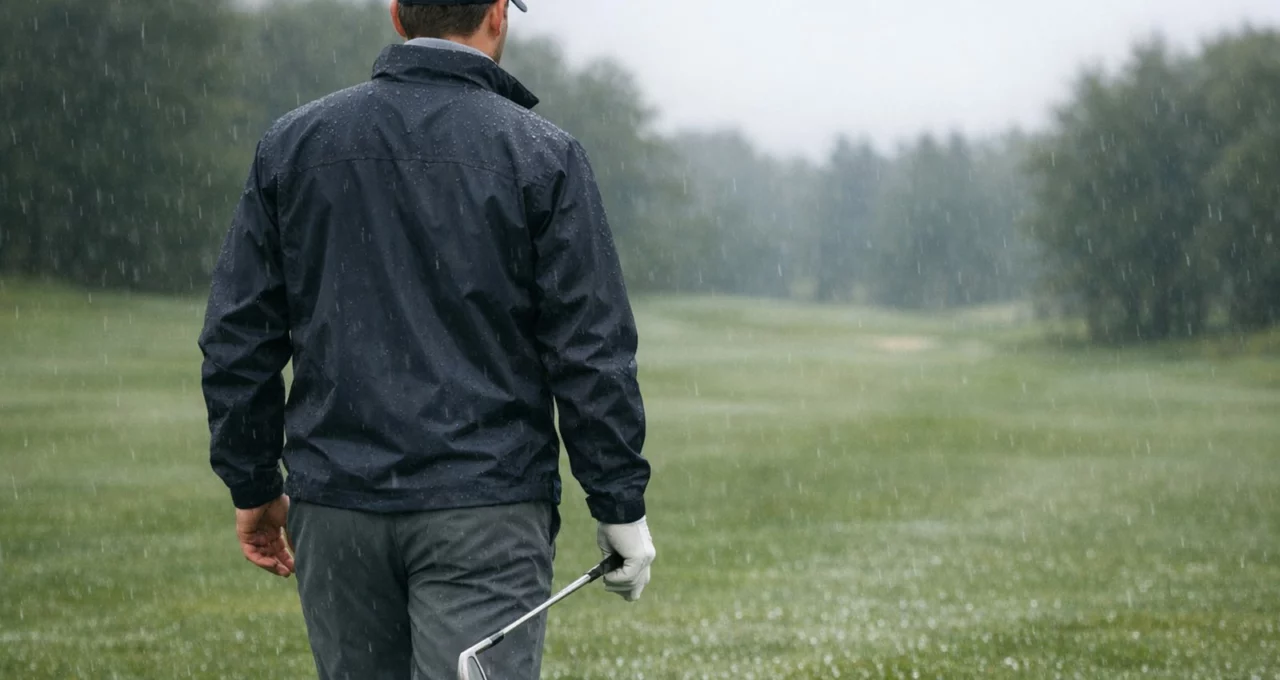
Most golfers buy clothes for the first tee and then play the other seventeen holes in them. The polo looks sharp in the parking lot and clings by the turn. The pants fit standing up and pull across the thighs every time you crouch to read a putt. The rain jacket stays dry in the bag all summer, then rustles through every backswing on the one wet Saturday that matters, and by the back nine the sleeves are soaked from the inside. Golf clothing is sold on color, logo and fit in the mirror. What decides whether it works is a short list of specifications that the hang tag mentions in passing, if at all, and a dress code that changes from one course to the next.
This page presents six garments Americans buy for the course, two rain jackets, two polos and two pairs of pants, from $49.99 to $340, with what their makers publish and what golfers say about them in public. It is a presentation of products and a reading of public opinion, not a test. Nobody at Panxis Golf wore any of these garments for this page, and nothing here was measured by us.
What a golf swing asks of clothing
A golf swing is an unusual demand on fabric. At the top of the backswing the shoulders turn well past the hips, the lead arm stretches across the chest and the back of a jacket or a shirt is pulled tight from shoulder blade to shoulder blade. At address, the knees flex, the hips push back and the seat and thighs of a pair of pants carry tension they never feel walking. Then there is the walk itself: four or five miles on a walking round, often in sun for four hours and more, with the body warming and cooling as the holes go by.
That gives clothing three jobs. It has to move with a turn that ordinary clothes are not cut for. It has to manage heat and sweat over a long morning or afternoon outdoors. And on some days it has to keep rain out without trapping the heat the body produces. A garment that does one of these well and ignores the others is the one that ends up in the back of the closet.
The fourth job is social. A golf course is one of the few places left where what you wear is written into the rules of entry. More on that below, because it decides what you can wear before any question of fabric.
The rain jacket: five things that matter
A rain jacket is the most expensive piece of golf clothing most players own, and the one whose label is the hardest to read. Five points do most of the work.
- The membrane or coating. A truly waterproof jacket has a waterproof layer laminated or coated on the inside of the face fabric. Listings describe it in layers: a 2-layer jacket has a loose lining over the membrane, a 2.5-layer jacket protects the membrane with a thin printed coating and no lining, a 3-layer jacket bonds a fabric on both sides. Fewer layers usually means lighter and quieter; more layers usually means sturdier.
- Waterproof and breathability ratings. Many makers publish a hydrostatic head, a column of water in millimeters the fabric resists before it leaks, and a breathability figure, in grams of water vapor per square meter per day. A jacket that publishes both gives you something to compare. A jacket that says only “100% waterproof” is not necessarily worse, but it gives you less to go on. On the pages read for this article, neither jacket below had those numbers listed.
- Taped or sealed seams. Every stitch is a hole. A waterproof fabric with unsealed seams leaks along the shoulders, which is where rain lands. Look for the words “seam sealed” or “fully taped,” and for waterproof zippers or a storm flap behind the main zip.
- Noise. A stiff shell rustles on every swing, and many golfers say they hear it at the top. Softer, stretch shells are sold precisely on being quiet. The label rarely says so directly, but “stretch,” “knit,” and “soft hand” are the hints.
- Shoulder freedom. A rain jacket gets worn over a polo and often over a layer, which already takes room. Stretch panels in the back and under the arms, or a whole stretch shell, are what keep the turn free. Short sleeves or removable sleeves are another answer: some golfers would rather have wet forearms than restricted ones.
One last point the tag will not tell you: the outside of a rain jacket is treated with a water-repellent finish, often called DWR, that makes water bead and roll off. When it wears off, the face fabric soaks up water, the membrane can no longer let vapor out, and the jacket feels as if it leaks even when it does not. Washing it as the care label says, and renewing the finish when beading stops, does more for an old jacket than most golfers expect.
FootJoy HydroLite X Rain Jacket
The HydroLite line is FootJoy’s entry point into rain gear, below the HydroTour, and the HydroLite X is the version with a stretch shell. It is one of the jackets most often seen in American golf bags, partly because it is sold almost everywhere golf clothing is.
- What the maker lists, as reproduced by U.S. dealers: 2.5-layer construction, described as lightweight, breathable and 100% waterproof; a four-way stretch shell; seams sealed; engineered knit paneling for unrestricted movement; a waterproof front zipper; an overlapping hem built to reduce bulk at address; a 2-year limited waterproof warranty. No hydrostatic head or breathability figure was listed on the dealer page read for this article.
- Who it suits: a golfer in a mild or warm climate who wants one light jacket that stays in the bag and handles showers, and who values a quiet, stretchy shell over heavy-duty protection.
Price read in October 2026 at a U.S. golf retailer: $224.95.
Zero Restriction Power Torque Full Zip Jacket
Zero Restriction built its name on rain gear designed around the golf swing, and the Power Torque is its signature construction: different fabrics placed in different zones of the jacket so that the back and the sides can move more than the front. It sits at the top of the price range on this page.
- What the maker lists, as reproduced by a U.S. dealer: wind and waterproof; a multi-layer construction in 100% polyester; all seams sealed; a YKK AquaGuard molded waterproof zipper with an interior wind flap; the “Power Torque design system for unrestricted movement”; an anti-chafe chin guard; adjustable hook-and-loop cuffs with abrasion tape; a one-hand drawcord inside the pocket; machine washable. No waterproof or breathability figure and no warranty term were given on the dealer page read for this article.
- Who it suits: a golfer who plays through real rain, not just showers, in cooler weather, and who wants a jacket designed first for the turn.
Price read in October 2026 at a U.S. golf retailer: $340.
The polo: technical fabric or cotton
The polo is where most golfers spend the most money over time, because they own several. The first choice is the fabric.
Cotton piqué, the traditional polo fabric, is soft, breathes well when dry, and looks right in a clubhouse. Its weakness is water: cotton absorbs sweat and holds it, so a cotton polo grows heavy and dark under the arms and across the back on a humid day, and stays that way. Technical polos, nearly always polyester with a few percent of spandex or elastane, absorb very little. They move sweat to the surface, where it evaporates, and they dry quickly. The trade-off golfers mention most is odor: polyester tends to hold body odor more than cotton, which is why many makers add an antimicrobial or odor-resistant treatment and say so on the label.
Four points are worth reading on a polo listing.
- Composition. The share of spandex or elastane tells you how much stretch to expect across the shoulders. Around 8% to 12% is common on golf polos.
- Drying and wicking. “Moisture-wicking” is almost universal now. More useful is what the fabric weighs and how it feels: a light, open knit dries faster than a heavy, smooth one.
- Odor. Look for an antimicrobial or odor-resistant claim if you play in heat and want to wear the shirt more than once between washes.
- Sun protection. A polo with a published UPF rating has been rated for how much ultraviolet light passes through the fabric. UPF 50+ is the top of the scale. “UV protection” without a number is a weaker claim, because it does not say how much.
Fit is the last decision, and it is personal. “Classic” or “traditional” fit leaves room through the chest and the waist; “athletic” or “slim” fit follows the body more closely. A longer back hem, sometimes called a drop tail, helps a tucked shirt stay tucked through the swing, which matters at clubs that require it.
Peter Millar Crown Sport Solid Performance Jersey Polo
Peter Millar has become one of the defining brands of the American private-club look, and its Crown Sport line is the performance side of the range. The Solid Performance Jersey polo is the plain, one-color shirt in that line.
- What the maker lists, as reproduced by a U.S. dealer: 92% polyester and 8% spandex; an antimicrobial jersey described as moisture-wicking, four-way stretch and odor-resistant; UPF 50+ sun protection; a self-fabric collar and a three-button placket; classic fit; machine washable.
- Who it suits: a golfer who wants a polo that looks at home in a clubhouse, with a published UPF figure and an odor claim for long, hot rounds.
Price read in October 2026 at a U.S. golf retailer: $79.99, shown against a regular price of $99.99.
FootJoy ProDry Lisle Classic Stripe Polo
FootJoy’s ProDry lisle polos are a staple of American pro shops, sold in plain colors, stripes and prints, often with a club or course logo embroidered on the chest. The striped lisle version read for this article is typical of the family.
- What the maker lists, as reproduced by a U.S. dealer: 88% polyester and 12% spandex; ProDry fabric described as soft, breathable, stretchy and moisture-wicking; anti-microbial; “UV sun protection,” with no UPF number on the dealer page; self collar; extended back shirt tail; double-stitched seams and a lock-stitch hem; machine washable.
- Who it suits: a golfer who wants a familiar, easy-care performance polo with more stretch on the label than most, and who does not need a rated UPF figure.
Price read in October 2026 at a U.S. golf retailer: $79.95.
The pants: four things that matter
Golf pants used to be dress trousers in a lighter cloth. Today most are performance pants: polyester with a share of elastane, cut to look like chinos and to move like athletic wear. Four points separate a good pair from a frustrating one.
- Stretch. Two-way stretch gives across the width; four-way stretch gives across and along the leg. At address and when crouching on a green, four-way stretch is what keeps the seat and knees from pulling.
- Water repellency. Some pants carry a water-repellent finish that sheds dew and light rain. It is not waterproofing, and it will not replace rain pants in a real downpour, but it keeps the legs drier on wet morning grass.
- Pockets. A phone, a yardage book, a ball marker, a divot tool and tees all compete for space. Deep front pockets that hold a phone without it sliding out when you sit in a cart, and a back pocket that closes, are worth checking in the store.
- Fit at address. Try pants on and bend into your golf posture. A waistband that gapes at the back, a seat that pulls or a hem that rides well above the shoe tells you more than the size label. Tapered cuts are popular, but a very narrow leg can cling at the knee when you flex.
Under Armour Drive Golf Pants
The Drive is the core pant in Under Armour’s golf range and one of the most common pairs of golf pants in the United States. The current version read for this article is flat-front with a straight leg.
- What the maker lists, as reproduced by a U.S. dealer: a lightweight, durable stretch-woven twill in 90% polyester and 10% elastane; four-way stretch; UA Storm technology described as repelling water without sacrificing breathability; a stretch waistband; a four-pocket design; flat front, straight leg. No UPF figure was listed.
- Who it suits: a golfer who wants one pair that handles a cool, damp morning and a long walk, with the most stretch on this page.
Price read in October 2026 at a U.S. golf retailer: $84.95.
Puma Dealer Tailored Golf Pants
The Dealer is Puma’s main golf pant, and the Tailored version is the cleaner, more trouser-like cut of it. It is the least expensive garment on this page at the price read.
- What the maker lists, as reproduced by a U.S. dealer: 54% recycled polyester and 46% polyester in a twill weave; two-way stretch; a stretch waistband; moisture-wicking; Duramesh pocket bags; tailored fit; machine washable. No water-repellent finish and no UPF figure were listed.
- Who it suits: a golfer in a warm, dry climate who wants a neat, light pant at a moderate price and does not need water repellency.
Price read in October 2026 at a U.S. golf retailer: $49.99, shown against a regular price of $79.99.
Side by side
| Garment | Fabric listed | What the maker stresses | Published figure | U.S. price, Oct. 2026 |
|---|---|---|---|---|
| FootJoy HydroLite X Rain Jacket | 2.5-layer, four-way stretch shell | Waterproof, seams sealed, knit paneling | 2-year waterproof warranty | $224.95 |
| Zero Restriction Power Torque Full Zip | Multi-layer, 100% polyester | Wind and waterproof, sealed seams, zoned fabrics | None listed | $340 |
| Peter Millar Crown Sport Solid Performance Jersey Polo | 92% polyester, 8% spandex | Four-way stretch, odor-resistant | UPF 50+ | $79.99 |
| FootJoy ProDry Lisle Classic Stripe Polo | 88% polyester, 12% spandex | Stretch, anti-microbial, long tail | “UV protection,” no UPF number | $79.95 |
| Under Armour Drive Golf Pants | 90% polyester, 10% elastane | Four-way stretch, water repellent | None listed | $84.95 |
| Puma Dealer Tailored Golf Pants | Recycled and virgin polyester twill | Two-way stretch, tailored cut | None listed | $49.99 |
The two jackets are $115 apart, and neither publishes the waterproof and breathability figures that would let you compare them directly. That is common in golf rain gear, and it is a good reason to ask for those numbers before you buy. On polos and pants, the composition line is the most honest spec on the tag: it tells you how much stretch to expect and how the fabric will behave when wet.
What golfers are saying
The same points come back in owner reviews, published reviews and golf discussion boards, across brands.
On the plus side:
- Stretch rain jackets you forget you are wearing. The most common praise for modern golf rain gear, stretch shells in particular, is that a golfer can make a full turn without feeling the jacket, and that it is quiet enough not to notice at the top.
- Performance polos that dry before the next tee. Golfers in hot, humid places say a polyester-and-spandex polo that dried between holes changed how they felt on the back nine compared with cotton.
- Stretch pants that look like trousers. Owners of the popular performance pants, the UA Drive among them, praise a pant that passes a clubhouse dress code and still lets them crouch on a green without pulling at the seat.
On the minus side:
- “Waterproof” that stops working. The most repeated complaint about rain jackets at every price: after a season or two, the outer fabric soaks through and the inside feels damp. Some of it is wear, and some of it is a worn water-repellent finish that owners did not know to renew.
- Polyester that holds odor. Golfers note that some technical polos smell after a single hot round, even after washing, and look for shirts with an odor-control treatment or go back to cotton blends for that reason.
- Sizing that changes between brands and seasons. Shoppers report that the same labeled size fits differently from one maker to another, and sometimes from one model year to the next, especially in pants waist and inseam and in “athletic” versus “classic” polo cuts.
- Pockets that lose things. A recurring gripe about golf pants: shallow front pockets that let a phone slide out in a cart, and back pockets without a closure.
Nobody is quoted by name here, nothing has been counted, and none of these impressions is a measurement. They are what comes back most often in public reviews and golf forums.
Where Americans play, and what each course and climate asks
In the United States, what you wear on a golf course is decided first by the course and then by the weather.
The dress code. Private clubs set the strictest rules, and they vary from club to club. The most common ones: a collared shirt, or at many clubs now a mock neck, tucked in; tailored pants or shorts of a reasonable length; no denim, no cargo pockets, no athletic shorts; hats worn forward, and taken off indoors at some clubs. Many clubs also have rules for the clubhouse dining room that differ from those on the course. Resort courses usually follow the same lines. Daily-fee and municipal courses are more relaxed: a collared shirt is still common, but many public courses accept a crew neck, and some say nothing at all. The simple rule is to check the course website or call the pro shop before a first visit, and when in doubt, wear a collared polo, tucked, with golf pants or tailored shorts.
The climate. The country covers every kind of golf weather, and the right wardrobe changes with it.
- Florida and the Gulf Coast in summer. Heat and humidity in the 90s °F, and a thunderstorm most afternoons. A rain jacket matters less here than a polo that dries fast, a published UPF rating and pants or shorts that breathe. When a storm comes, lightning is the reason to stop, not the rain: courses sound a horn, and golfers leave the course.
- The Pacific Northwest. Steady drizzle from fall to spring, temperatures in the 40s and 50s °F, and rounds played in rain that does not stop. This is where a fully waterproof, sealed jacket earns its price, along with water-repellent pants and often rain pants on top.
- The Southwest and the desert. Dry heat that can top 100°F in summer, cold early mornings in winter. Sun protection matters more than rain: a UPF-rated polo, a light layer to take off by the third hole, and light-colored pants.
- The Northeast and the Midwest. A shorter season with cool spring and fall mornings, often in the 40s °F at the first tee and the 60s by noon. Layering is the answer: a polo, a light pullover or vest, and pants with four-way stretch that work under a rain jacket on the occasional wet day.
Where to buy. Americans have four main options. The pro shop at a course or club sells polos and outerwear, often with the course logo, and is the place to see what the local dress code expects. A golf superstore or specialty golf retailer carries the widest range of brands in one place, and lets you try pants on in your golf posture, which no online size chart can replace. Online stores, whether golf retailers or the brands’ own sites, offer the full size range and the most frequent markdowns, with the risk of returns when sizing differs. And the used market, including thrift stores and online resale, is full of barely worn polos and outerwear, sometimes with the logo of a well-known course: inspect seam tape and the inside of a jacket’s shoulders before paying, because those are the parts that fail first.
How to choose before you buy
- Start with the dress code. Know what the courses you play require. A collared polo and tailored pants work everywhere; everything else depends on the club.
- Buy the rain jacket for your climate. For occasional showers, a light stretch jacket you never take out of the bag. For real rain, a fully seam-sealed jacket, and ask for the waterproof and breathability figures if the label does not give them.
- Swing in it. Make a full turn in the fitting room in a jacket, over the layer you will wear under it. Listen for noise, feel for tightness across the back.
- Read the polo’s composition and sun claim. Prefer a published UPF figure to a vague “UV protection,” and an odor claim if you play in heat.
- Try pants in your golf posture. Bend, crouch as if reading a putt, check the waistband and the seat. Then check the pockets with your own phone.
- Care for it. Wash rain gear as the label says and renew its water-repellent finish when water stops beading. Wash technical polos inside out and skip fabric softener, which can hold odor in synthetic fibers.
A good golf wardrobe is smaller than the closet suggests: one rain jacket matched to your weather, three or four polos that dry fast, two pairs of pants that move at address, and the dress code of your course in mind. Spend where the weather and the swing put pressure on the fabric, and the rest is taste.
How this page was put together
This is a presentation of products and a reading of public opinion, not a test. Nobody at Panxis Golf wore, washed or measured any of these garments for this page. Features and compositions come from the makers’ published descriptions as reproduced on a U.S. dealer’s product pages: FootJoy for the HydroLite X Rain Jacket and the ProDry Lisle Classic Stripe Polo, Zero Restriction for the Power Torque Full Zip Jacket, Peter Millar for the Crown Sport Solid Performance Jersey Polo, Under Armour for the Drive Golf Pants, and Puma for the Dealer Tailored Golf Pants. Where a figure was not published on the pages read, such as waterproof and breathability ratings for both jackets, it is left out rather than estimated.
Prices were read on October 31, 2026, in U.S. dollars, at Carl’s Golfland, a U.S. golf retailer, for all six garments. The PGA TOUR Superstore product pages could not be read on that date, so no price from that retailer appears here. Prices change with promotions, colors and sizes, so the figure at checkout is the one that counts.
What golfers say was read in public owner reviews on retailer pages, in published apparel reviews and in golf forum discussions, some only through search excerpts. Nobody is quoted by name, nothing is counted, and no impression is presented as a statistic. There is no commercial link on this page, no affiliate arrangement and no commission of any kind. If content on this site is ever paid for by a brand, it will carry an advertising label at the top of the page.