Cold-weather gear that actually works
Layers that move, hands that stay dry and a softer ball. Cold-weather golf is an equipment problem before it is a technique problem.
In brief
- Soft, cold ground removes the run: a club or two more on approaches.
- Greens hold, so aim at the flag rather than the middle.
- Below about ten degrees a low-compression ball feels better and performs as well.
- Frost delays are not negotiable: they are what keeps the green playable in July.
- Cold-weather stock is cheapest in late autumn, not in April.
Cold-weather golf is an equipment problem before it is a technique problem. The Canadian shoulder season, roughly April and October, offers some of the best value golf of the year, and the golfers who enjoy it are simply the ones dressed for it. Here is what actually works.
Layers, not a coat
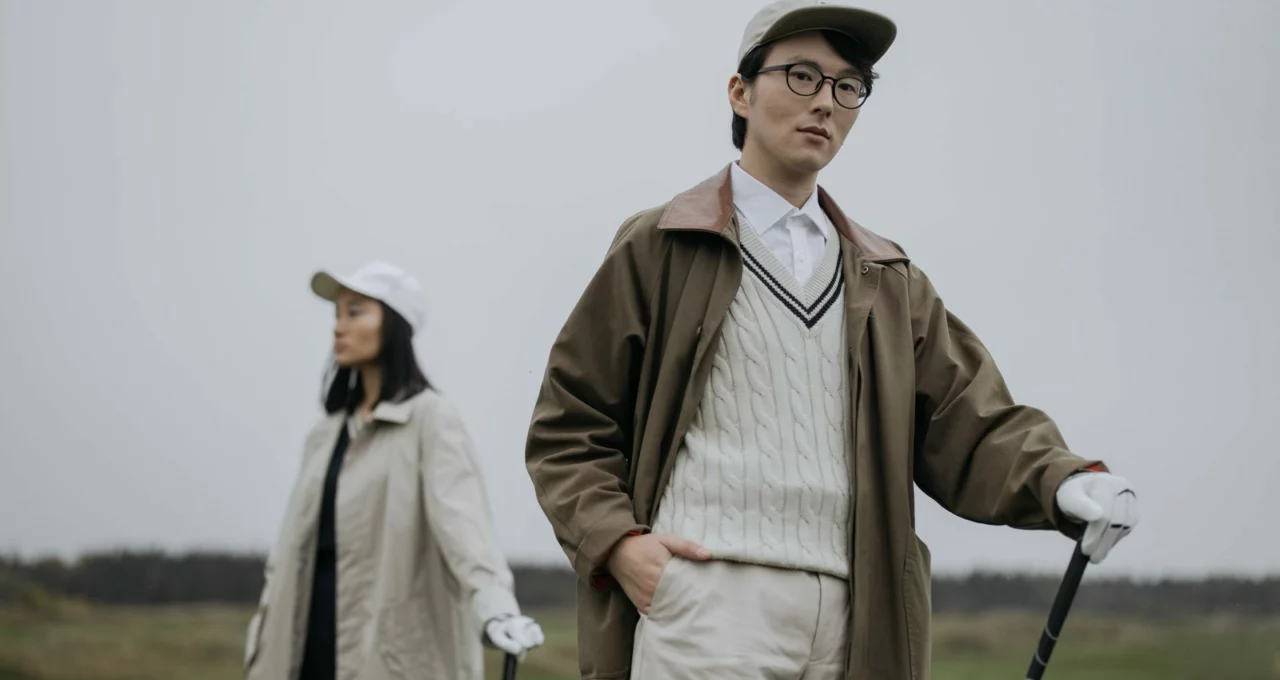
Three thin layers beat one thick one, because you can shed them as the round warms up and because none of them restricts the swing. A base layer that moves moisture, a mid layer for warmth, a windproof outer shell. The shell matters more than the insulation: wind is what makes 8 degrees feel like 2.
Test the swing in the shop, arms overhead. If the shoulders bind, it will bind on the course.
Hands are the whole game
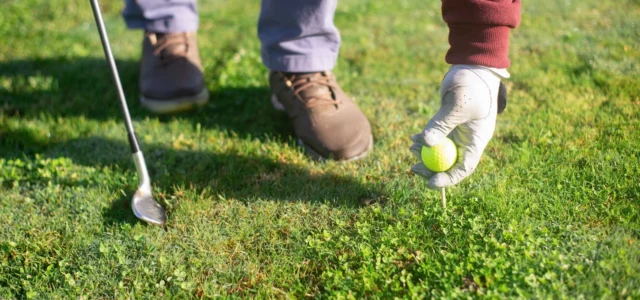
Cold hands cost more shots than cold anything else, because grip pressure rises and feel disappears. Winter mitts worn between shots, with a hand warmer inside, keep the hands usable in a way gloves alone cannot.
Keep a spare glove dry in an inside pocket. A damp glove in 5-degree air is useless within two holes.
The ball actually matters in the cold
Golf balls lose distance in cold air, and firm high-compression balls lose more than softer ones. In genuinely cold conditions, a lower-compression ball compresses properly at reduced swing speeds and feels less like hitting a stone.
Keep two balls in an inside pocket and rotate them each hole. A ball that has been in your pocket flies noticeably further than one that has been in the bag.
What cold does to your distances
Expect to lose something like ten yards on a driver between 20 degrees and 5, and proportionally less on the short irons.
Expect to lose distance as the temperature drops, and expect the loss to grow with the club: the driver loses more than the 9-iron. Take one or two more clubs on approaches and swing at your normal tempo.
Cold air also makes the ground firmer, so the ball runs on landing. Land approaches short and let them release.
Feet and head
Waterproof shoes, because spring and autumn mornings are wet even when it is not raining, and one pair of thick socks rather than two thin pairs, which restrict circulation. A hat that covers the ears is worth more than any other single item on a cold morning.
Pace of play in the cold
Cold rounds are slower for everybody, and the two habits that recover the most time cost nothing. Announce a provisional ball whenever there is any doubt, because the walk back to the tee is longer and colder in November than it ever is in July. And write the card on the next tee rather than on the green.
If the group behind is on you and there is space in front, let them through. It takes three minutes and it removes the pressure that otherwise decides the last six holes.
The swing adjustment nobody mentions
In heavy clothing, the backswing shortens. Rather than fighting it, accept it: take an extra club, make a three-quarter swing and aim for the middle of the green. Cold-weather rounds are scored by golfers who play conservatively, not by those who try to reproduce their July game in October.
What the cold does to the course
Soft, wet ground takes the run away entirely, which is worth more than most golfers allow for. A drive that finished at 240 yards in August finishes at 215 in a cold, wet October, and an approach that needed a 7-iron in summer needs a 6 or a 5.
Greens receive, which is the compensation. A ball that released twenty feet past the flag in July stops within a few paces of its pitch mark in the cold, so aim at the flag rather than the middle when the surface is soft, and expect putts to be slower than they look.
Bunkers change too. Wet, heavy sand is firm, the bounce of the club skids off it rather than digging, and the ball comes out faster and lower than expected. Stand a little closer, open the face less, and take slightly less club than you would from soft sand.
Frost delays and what they are for
Frost delays are the one rule that is not negotiable. Walking on frozen grass destroys the plant rather than the blade, and the two hours you spend in the clubhouse in late October are what makes the green playable in May.
Most Canadian clubs post the delay by phone and online before the first tee time. Ring rather than driving over, and treat a delay as normal rather than as an inconvenience: it is the single cheapest thing a club does to protect its greens.
Where to buy cold-weather kit in Canada
The large national chains carry the mainstream brands in stores across the country, which matters for anything that has to fit: gloves, mitts, base layers and rain gear are all worth trying on rather than ordering. Used and clearance specialists are the other option, and the pro shop at your own course usually carries the winter gloves and hand warmers that the big stores stop stocking in September.
The end of the season is the cheapest moment to buy any of it. Cold-weather stock is discounted from late autumn, and a rain suit bought in November costs a fraction of the same suit in April.
Panxis Golf has no commercial relationship with these retailers and earns nothing from your purchases.
The first tee in the cold
A cold body produces a short, quick swing, which is why the first three holes of an April round are so often the worst three. Five extra minutes of movement in the car park, a dozen half wedges and ten minutes of long putts change that more than any piece of equipment on this list.
Eat and drink on a schedule
Cold weather suppresses thirst while the body burns more energy staying warm, which is why the back nine falls apart on a raw October morning. Drink before you are thirsty, eat something small every five or six holes, and put a thermos in the bag rather than relying on the turn.
The ball you play in the cold
Below roughly ten degrees, every ball feels harder and flies shorter, and a low-compression model is more pleasant and performs at least as well. Carry two of the same model and swap them at the tee, keeping one in a pocket: a warm ball loses less distance, and swapping between balls of the same model is permitted as long as it is not done mid-hole.
What not to bother with
Heavy sweaters that restrict the turn, gloves worn for the shot rather than between shots, and anything that has to come off before you can swing. The principle is thin layers that move and a pair of mitts that come off at the ball.
The shoulder-season kit list
- Base layer, mid layer, windproof shell that lets you swing.
- Winter mitts plus hand warmers, and a dry spare glove in an inside pocket.
- Lower-compression balls, two kept warm in a pocket.
- Waterproof shoes, one pair of thick socks, a hat covering the ears.
None of this is expensive, and together it extends the Canadian season by roughly two months at both ends. Panxis Golf has no commercial relationship with any retailer.