How to start playing golf in Canada: lessons, Golf Canada and public courses
Canadian golf has a short season and a long list of ways to start. The obstacle is rarely the swing; it is the cost of the first purchases and the confusion around handicaps.
In brief
- Three range visits with rental clubs before you buy anything.
- Seven used clubs cover a first season; new grips matter more than a fitting.
- Play nine late in the afternoon, six balls, and pick up when the hole is lost.
- May and October are cheaper than July on the same courses.
- The strongest predictor of still playing in a year is having someone to play with.
Canadian golf has a short season and a long list of ways to start. The obstacles are not the ones beginners expect: it is rarely the swing, and almost always the cost of the first purchases and the confusion around handicaps. Here is the order that works.
Lessons before equipment
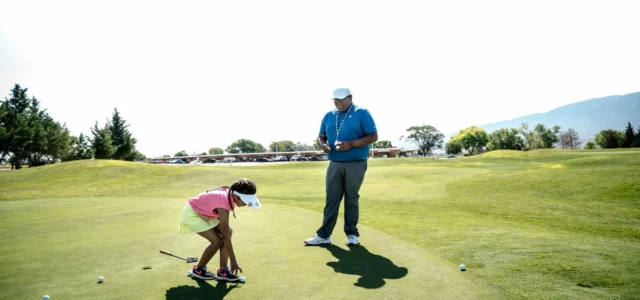
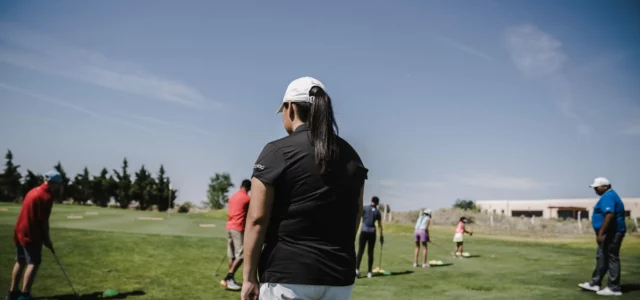
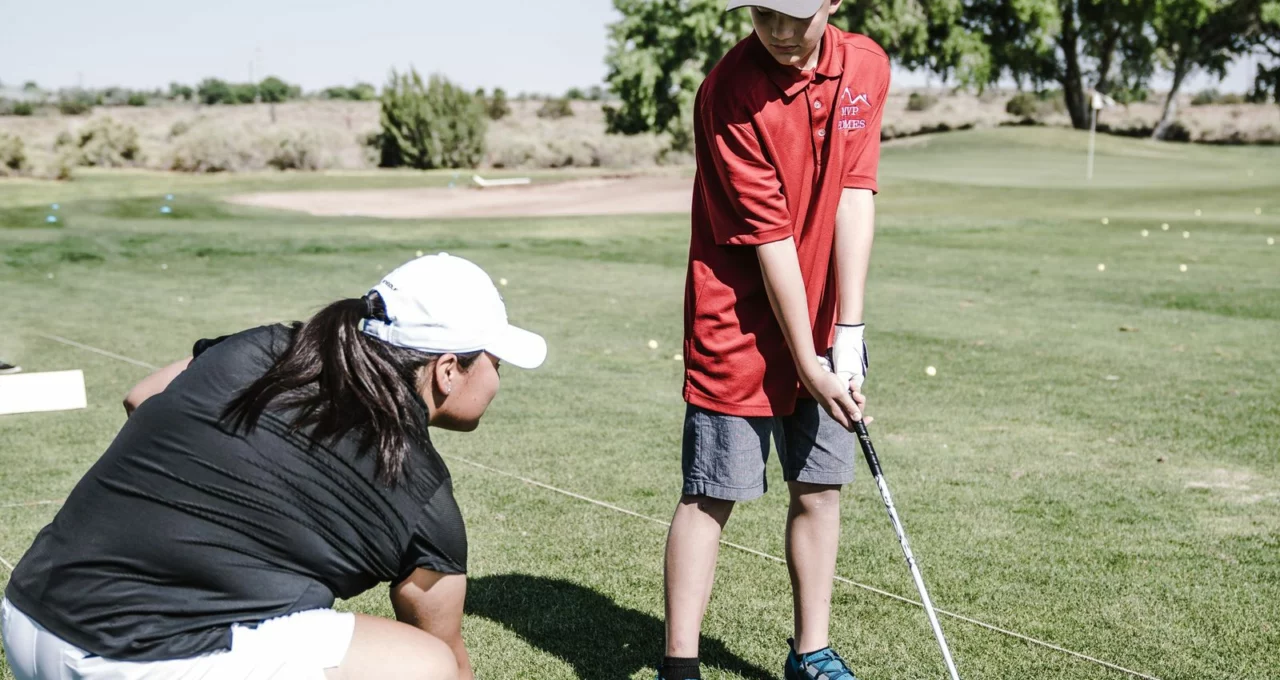
Six lessons before a full set. A PGA of Canada professional will fix grip and setup in two sessions, and those two things cause most of what goes wrong afterwards. Group clinics cost less and work better for many beginners, because you spend the hour watching other people make your mistakes.
Book lessons for the shoulder months if you can. April and October teaching slots are easier to get than July ones.
Where to play at the start
Municipal courses are the backbone of Canadian golf: no membership, no initiation fee, online booking. Par-3 and executive courses are better again for a first round, because you lose fewer balls and hold nobody up.
Twilight rates matter more here than almost anywhere, because northern summer evenings are long. In June and July, a 6pm tee time in most of the country still gives you eighteen holes.
One note on distance: Canadian courses are measured in yards. A beginner who carries a 7-iron 130 yards should be playing the forward tees, not the ones on the scorecard photo.
The handicap question
A Golf Canada membership includes an official Handicap Index and access to the Score Centre, which stores your scoring history and computes your Handicap Factor. Most golfers get it through their club; public-course golfers can get it through provincial associations and participating facilities.
Rates vary by province and facility, so check with your provincial association rather than assuming a national figure. What matters is that the index is the same wherever you obtain it.
Clubs: buy used, buy fewer
Seven clubs cover a first season: driver or 3-wood, hybrid, three irons, wedge, putter. The Canadian pre-owned market is well supplied, particularly in the autumn when golfers clear out before winter.
Get lie angle and shaft flex checked once your swing settles. A fitting on a beginner’s swing measures a swing that will not exist next spring.
Playing with the season, not against it
The Canadian season runs roughly April to October, longer on the coasts and shorter on the prairies. Two habits make the most of it: play early in the season on sandy or well-drained courses, which open first, and treat the shoulder months as prime time rather than as consolation. Green fees in May and October are frequently half what they are in July, on the same course, in perfectly good conditions.
What to do in winter
Simulator venues and domes are how Canadians keep a swing through five months of snow, and they have multiplied in every major city. An hour a week through the winter is the difference between starting the spring where you left off and starting it from scratch.
The month before you commit to anything
Before you pay for lessons or a handicap, go to a range two or three times and hit a bucket with a rental club. It costs very little and answers the only question that matters: do you enjoy this movement, including when it goes wrong?
The ball-tracking ranges and simulator venues that have spread across Canadian cities make that evening genuinely sociable, because every shot gets a number and four people can play a game. For a lot of new golfers that is now the real first contact with the game, and it is a good one, because it assumes nothing: no handicap, no dress code, no prior knowledge.
Take one lesson in those weeks, not ten. A PGA of Canada professional will set your grip and your address position, and learning those two wrong costs more time later than anything else in the game.
What you do not need
A full set, a club membership, or special clothing. For the first few weeks, comfortable clothing with a collar, flat shoes with some grip and rental clubs will get you round almost anywhere.
You also do not need a fitting. A fitting measures a swing, and a beginner’s swing changes monthly; the measurement is worthless six months later. What is worth doing immediately, if you inherit second-hand clubs, is new grips in the right size: hard, shiny grips force you to hold on tightly, and holding on tightly is precisely the fault every beginner already has.
Your first rounds on a course
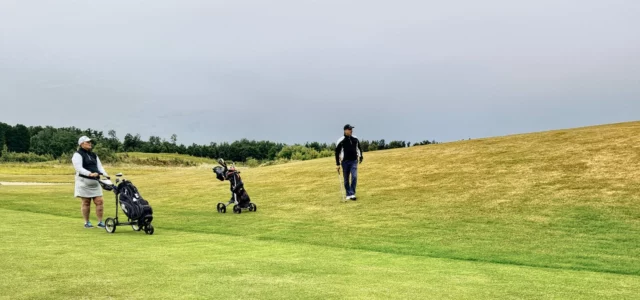
Play nine holes rather than eighteen, and play them late in the afternoon when the course is empty. A first round with a group waiting behind you is the quickest way to decide golf is unpleasant.
Take six balls at most and pick up as soon as a hole is lost. That is entirely normal: if you are not playing for a score, you lift and walk to the next tee rather than finishing a nine.
And learn exactly one point of etiquette in that first round: keep moving, and let the group behind through if a hole opens up in front of you. Everything else you will pick up along the way.
The mistakes that cost a season
Buying a full new set before the swing repeats. Practising only with a driver. Playing eighteen holes before you can get around nine. And waiting for the perfect July Saturday, which is the one tee time everybody else also wants.
What the first year costs
Think in three blocks. A Golf Canada handicap through an affiliated club or a provincial association. Equipment, bought used. And then green fees, which repeat and are therefore the only block worth thinking about for more than five minutes.
Three habits cut that third block sharply. Play midweek where you can, because weekend mornings are the dearest and the hardest to book. Play twilight, which is cheaper everywhere and, in a Canadian summer, still gives enough light to finish. And play nine rather than eighteen when time is short: it counts for your handicap and costs well under half.
The fourth is the season itself. Green fees at the shoulders, in May and again in late September and October, are consistently below the July and August rates on the same courses, and the golf is frequently better.
Take somebody with you
The strongest predictor of whether a beginner is still playing in a year is not talent or equipment; it is whether they have someone to play with. Ask for contact details in the group lesson, and book the second round before you leave the first.
One last thing
Book the tee time before you feel ready. Nobody is ready, and the starter does not check.
Where to start
- A handicap: through Golf Canada and your provincial association, which includes the Score Centre for posting scores.
- Lessons: your nearest municipal course or range, with a PGA of Canada professional. Ask about beginner blocks.
- Clubs: buy pre-owned, and get fitted only once the swing settles.
Do it in that order and after one season you have a handicap, a course you like, and no clubs in the basement that belong to a swing you no longer own.
Panxis Golf has no commercial relationship with any retailer and earns nothing from your purchases.