The RBC Canadian Open and the tournaments worth attending
Television hides how far the ball travels, how quick the greens are and how much of the game happens between shots. One day inside the ropes corrects all three.
In brief
- Practice days are cheaper, thinner and more instructive.
- Hold one position and let the field come to you.
- The practice area in the morning is the most underrated ticket.
- Count the full swings under a hundred yards. There will be almost none.
- Provincial amateur events are free and almost unattended.
The RBC Canadian Open is the third-oldest national championship in golf and the one week a year when the world’s best players come to Canada. The 2026 edition runs from 10 to 14 June at TPC Toronto at Osprey Valley, in Caledon, Ontario, with a purse of US$9.8 million.
Worth going once
Television flattens golf: it hides how far the ball actually travels, how quick the greens are and how much of the game happens between shots. One day inside the ropes corrects all three, and no amount of watching does.
Why this venue matters
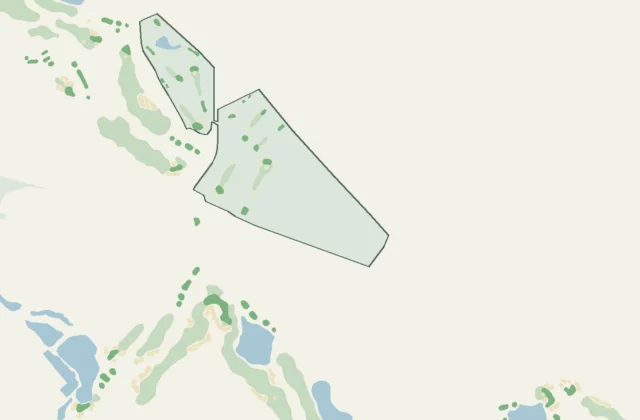
TPC Toronto at Osprey Valley hosted the event for the first time in 2025 and returns in 2026. It is a public facility, which means that unlike most tournament venues, you can play it yourself outside tournament week. Walking it as a spectator and returning later as a player is a rare combination.
The practice days are the best value
Tickets are cheaper, the crowds are thinner and the players are relaxed enough to hit a second ball and talk to spectators. If you are going once, go on a practice day; if you want the finish, plan the Sunday early and expect full transit and full car parks.
Which day to attend
Thursday and Friday are the golf-watching days: the full field is out, groups start from both tees, and access is easy. The weekend brings the finish and the crowds, with less freedom to move around the course.
For a first visit, take Thursday. For the trophy, plan Sunday and arrive early.
The mistake first-timers make
Following one group for eighteen holes means walking eight kilometres, watching every shot from the third row and learning nothing. Pick a position and let the field come to you: a par 3 with a grandstand, a green with a difficult flag, or the practice area in the morning.
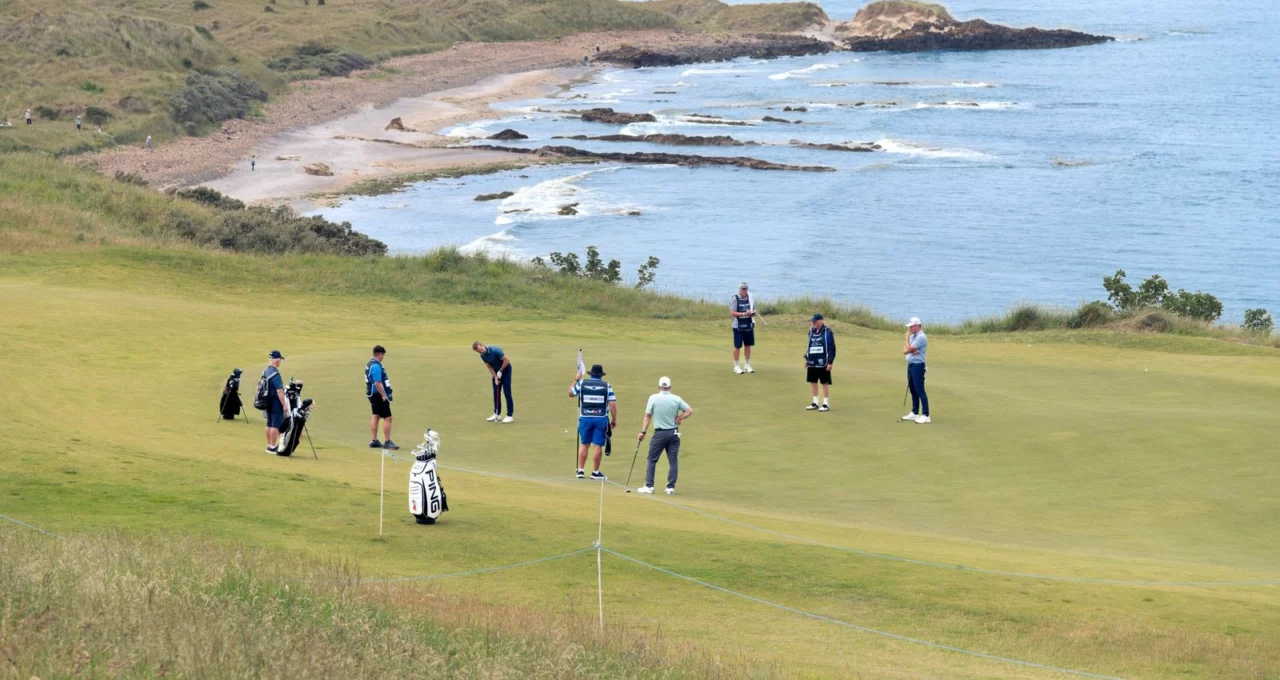
The practice area is the most underrated ticket on the property. Players hit half wedges, work out of bunkers from awkward lies and putt in peace, and half an hour there teaches more about distance control and routine than a full day at the eighteenth.
Where to stand
A par 3 of 170 yards is the single best classroom on the property: seventy players, one problem, seventy solutions.
Do not follow one group for eighteen holes. Pick a spot and let the field come past. Three that work: the practice range in the morning, where you watch professionals warm up at close quarters; a par 3, where the whole field solves the same problem differently; and the closing green in the afternoon.
Golfers who want to learn something specific should stand at a short par 4 and watch only the wedge shots.
What to take
Shoes you have walked in before, because a tournament day is a long time on uneven ground even standing still. A hat, sunglasses and sunscreen; a light rain shell, because it is Canadian summer weather; a refillable bottle; and cash in case a vendor’s terminal fails.
Getting there
Caledon is north-west of Toronto and parking is limited at any tournament of this size. Check the shuttle and transport arrangements published by the tournament before the day, and budget more travel time than the map suggests.
June in southern Ontario can be hot and humid or cool and wet. Take sunscreen, water and a rain jacket regardless of the forecast.
The other tournaments worth attending
The CPKC Women’s Open is the national women’s championship and moves around the country, which means it is periodically within driving distance of most Canadians. Provincial and PGA Tour Canada events are cheaper again, far less crowded, and offer the closest access to players you will find anywhere.
For a golfer who wants to learn rather than to watch a leaderboard, a PGA Tour Canada event is arguably the better day out: you can stand five yards from a player on the range and nobody moves you along.
What to take home for your own game
Watch three things that television never shows. The tempo of the backswing, which is slower on almost every player than you expect. The time spent on the decision before each shot, which is consistent from the first hole to the last. And how routinely a professional takes the safe line when the flag is in a difficult spot.
Then look at where the misses go. Tour players miss on the side that leaves the next shot easy, which is target selection rather than luck, and it is the single most transferable thing on show. Stand behind a green with a tucked pin and count how many of the field take it on: it will be very few, and their scores will be better than the ones who did.
And under a hundred yards, count the full swings. There will be almost none, and that is the lesson about wedge play that no amount of range time delivers.
Volunteering instead of watching
The tournament runs on volunteers in the hundreds, and a week inside the ropes costs less than a weekend ticket. Marshals manage the crowd, standard bearers walk with a group, walking scorers record every shot on a handheld, and others work the practice area or the shuttles.
Standard bearers and walking scorers are closest to the golf: they see eighteen holes of every shot in a group, including the layup and the deliberate miss. Registration opens months ahead and the best roles go first.
Expect real work: three or four shifts of five or six hours, often starting before dawn, in whatever the weather does. Broken-in shoes and a genuine rain jacket are requirements rather than suggestions.
With children and with guests
A tournament day suits children better than a round does, because it demands no concentration for four hours and you can leave whenever you like. The practice days before the competition are the right choice: more room, more relaxed players, fewer people, and regularly a ball or a glove over the ropes.
For somebody you are trying to bring into the game, the same applies. Half a day at a par 3 with a folding chair and the question of where the players are aiming explains the appeal better than a first round in which they take a hundred shots.
Spectator basics
Silence during the swing, no movement in the player’s eyeline, phones on silent. Photography rules change year to year, so check the tournament’s spectator conditions before you go. Stay behind the ropes and follow the marshals.
If you cannot get to the Open
The cheapest and in some ways most instructive alternative costs nothing: a provincial amateur championship or an inter-club final at a course near you. Entry is generally free, the standard is closer to your own, and you can stand at every green.
Golf Canada and the provincial associations publish those calendars over the winter. Watch the same things you would at the Open: the routines before each shot, and where the field aims when the flag is in a difficult spot.
Tickets and practical details
- Dates: 10 to 14 June 2026, TPC Toronto at Osprey Valley, Caledon, Ontario.
- Tickets through the tournament’s official channels; practice-day tickets are the cheapest and the best value for watching.
- Check transport and parking arrangements in advance; shuttles are usually the practical option.
Ticket categories and prices change each year. Confirm on the official tournament site before booking travel.