Watching the Australian PGA and Australian Open: a spectator’s plan
Two national championships in eleven days, in Sydney and Melbourne. Go on Thursday or Friday, choose a green where shots arrive every few minutes, and treat the sun as the main opponent of your day.
In brief
- The 2026 Australian PGA is at The Lakes, Sydney, 26 to 29 November; the Australian Open is at Kingston Heath, 3 to 6 December.
- The first two rounds put the whole field on course: the best days to learn.
- Sit behind one green for three hours and watch where the ball lands, not where it finishes.
- Sun protection is advised from UV index 3; in December that means most of the day.
- Bag, chair and phone rules are set per event: read the ticket conditions before you leave.
The Australian tournament summer is short and packed. The BMW Australian PGA Championship goes to The Lakes in Sydney from 26 to 29 November 2026, and the following week the Capital.com Australian Open is played at Kingston Heath in Melbourne, from 3 to 6 December. Two national titles in eleven days, on two of the best courses in the country, both in the suburbs of a capital city.
That schedule is a gift for anyone who wants to learn from watching, and a trap for anyone who treats it like a football match. Turn up at 11 am on the Saturday, chase the leading group through the hottest part of the day, and you will go home with a headache and a vague memory of the back of a stranger’s hat. Plan it a little and you will come home knowing more about wedge play and green reading than a season of televised golf could teach you.
Two weeks, two very different courses
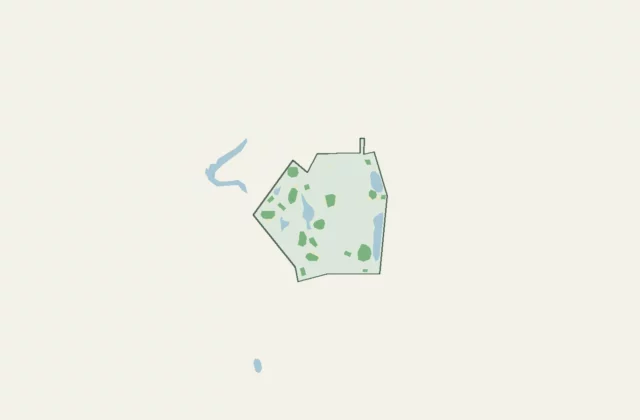
The Lakes Golf Club sits in Eastlakes, about ten minutes by car from the Sydney CBD. The club was founded in 1928 and its current course is a Mike Clayton redesign. It has hosted the Australian PGA three times and the Australian Open eight times, most recently in 2023, but 2026 is its first PGA since 1987, and the first time the championship has been played in New South Wales since 1998.
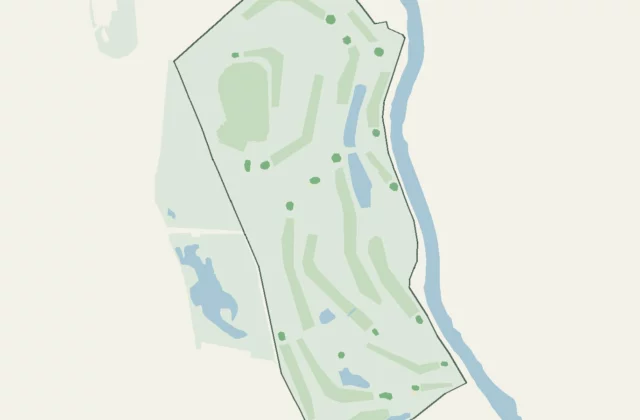
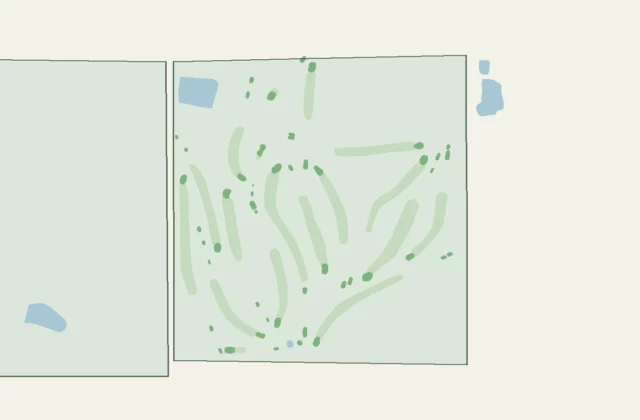
Kingston Heath in Cheltenham is the opposite kind of test: a Dan Soutar layout on the Sandbelt, bentgrass greens, couch fairways, and sandy ground that lets the ball run. It has staged the Australian Open seven times, including 2024, and the 2026 edition carries the extra interest of Rory McIlroy confirmed in the field. For a spectator, the Sandbelt is the more educational of the two, because firm ground forces players to land the ball short of the flag and let it run, which is precisely the shot most club golfers never practise.
If you want to add a third, the Women’s Australian Open was played at Kooyonga in Adelaide in March 2026, with practice days on Monday and Tuesday and the pro-am on the Wednesday. Keep an eye on Golf Australia’s announcements for the 2027 venue.
Choose the day before you choose the ticket
Early-week days and the first two rounds are where the learning is. The whole field is on the course on Thursday and Friday, so every hole has golf on it from first tee time to last, and you can sit at one green and watch a hundred and fifty approach shots arrive. After the cut on Friday evening the field shrinks and the crowds grow.
Check what is actually open to the public, because it changes by event. At Kooyonga the practice days were published in advance; for the Australian Open at Kingston Heath, Golf Australia sells tickets through Ticketek, and the ticket page is where the days on offer, the prices and the conditions of entry are set out. Demand is real: in 2025 at Royal Melbourne, weekend general admission sold out before the tournament began.
The weekend still has its place. A final round on the Sandbelt with a trophy on the line is worth being there for. Just go on Saturday or Sunday for the theatre, and go on Thursday or Friday for the lesson.
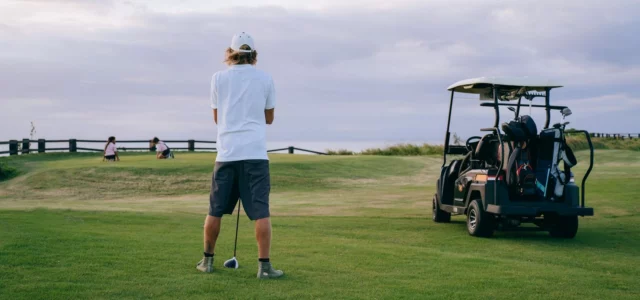
Sit at a green, not behind a group
Walking eighteen holes with one pairing is the most tiring way to see the least golf. You spend most of the day moving, you see each shot from wherever the crowd lets you stand, and the players you follow give you one sample of each situation.
Pick a spot where shots arrive every few minutes. On a par 3, you see the full range of tee shots into the same flag. Behind a short par 4 green, you see the wedge game from 60 to 90 metres, which is the distance club golfers waste the most shots from. On a Sandbelt course, a green with a front bunker is ideal, because you watch the best players in the world decide, one after the other, whether to fly the sand or bounce the ball in from the side.
Then stay. Three hours in one place gives you a pattern, and a pattern is the only thing a spectator can take home and use.
What to watch for, shot by shot
- How far short of the flag the ball lands. On firm Australian greens in summer, tour players regularly land approaches several metres short and let the slope feed the ball. Count how many do it at your green and compare it with how you play the same hole at your own course.
- The side of the green they miss on. With a flag tucked behind a bunker, watch which side the misses finish. It is almost never the short side, and that one decision is worth more to a 20-handicapper than any swing change.
- How long the routine takes. Use your phone’s stopwatch between shots (quietly, and only if the event allows phones). The routines are short and remarkably consistent from shot to shot.
- The first putt from long range. Watch where the lag putts finish relative to the hole, and whether they die short or roll past. That tells you more than any number about pace on fast greens.
- The range and the short-game area. An hour there shows how much time the best players give to wedge distances and how little to hitting drivers.
Sun, heat and the Melbourne four-seasons day
Late November and early December put spectators outdoors for six or seven hours under some of the strongest UV in the world. ARPANSA and Cancer Council advise sun protection whenever the UV index reaches 3 or above, and on a clear December day in Sydney or Melbourne it will be there by mid-morning and stay there well into the afternoon. The free SunSmart Global UV app, developed by Cancer Council Victoria and ARPANSA, gives a local forecast and can alert you when protection is needed.
In practice that means a broad-brimmed hat rather than a cap, sunscreen reapplied at lunch, sunglasses, and a long-sleeved shirt you do not mind being seen in. Take water and keep drinking it before you are thirsty; a day at a green is not strenuous, but it is long. Melbourne adds its own variable: a hot northerly can swing to a cool, gusty change in an afternoon, so a light layer earns its place in the bag at Kingston Heath.
Before you pack anything else, read the event’s conditions of entry on the ticket page. Bag sizes, folding chairs, umbrellas, phones and cameras are set event by event, and what was allowed at one tournament is no guide to the next. We have not listed specific rules here because they are published fresh for each championship.
Getting there without the car park
Both venues are suburban, and on a busy day the surrounding streets fill early. Check the event’s transport page closer to the date for shuttles and parking, and look at public transport before you default to driving. The Lakes is close to the CBD and the airport precinct; Kingston Heath is in Melbourne’s south-east, among the cluster of Sandbelt clubs. Arriving early helps twice over: the morning is cooler, and the first groups on the course are often the most relaxed.
Where to watch good golf for less
The national championships. The Australian PGA Championship at The Lakes (26 to 29 November 2026) and the Capital.com Australian Open at Kingston Heath (3 to 6 December 2026). Tickets for both are sold through Ticketek, with details on Golf Australia’s and the PGA of Australia’s event pages. Our Australian Open spectator guide goes deeper on the championship itself.
The Women’s Australian Open. Played in March in 2026, which puts it in the milder end of summer. Swing speeds on the women’s tour are much closer to those of a good club golfer, so club selection into greens is easier to relate to your own game.
State and national amateur events. The Australian Amateur, run by Golf Australia and played since 1894, and the state championships run by bodies such as Golf NSW and Golf Victoria, are played on strong courses with small crowds. Check the organiser’s calendar and ask the host club whether spectators are welcome and where they may walk.
From inside the ropes. Golf Australia recruits volunteers for its championships through an online expression of interest. It is the closest view in the game, and we cover it in volunteering at a tournament.
Panxis Golf has no commercial relationship with any club, tour, event or ticketing service mentioned here.
Before you leave home
- Pick Thursday or Friday for learning, Saturday or Sunday for the atmosphere.
- Read the conditions of entry on the ticket page: bags, chairs, phones.
- Hat, sunscreen, sunglasses, water, and a light layer for Melbourne.
- Choose one green with a bunker in front and plan to stay three hours.
- Watch where the ball lands, not where it finishes, and take that to your next round.