Five floor exercises for a stiff spring swing, and how to see a physio in Australia with no referral
The sway, the over-the-top move and the stagger on the finish that turn up every October are often physical, not technical. Five floor exercises, fifteen minutes three times a week, rebuild the hip turn, upper-back rotation and balance a winter at the desk takes away, just as the Australian season gets going.
In brief
- Three home tests show where to start: a chair turn with a club across the collarbones, a hips-only turn in golf posture and a one-leg balance with eyes shut.
- Each exercise is matched to a fault: open book for over the top, 90/90 switch for the sway, lateral lunge for an arms-only swing, single-leg deadlift for the finish, dead bug for standing up.
- Australia's national guidelines recommend muscle strengthening on at least two days a week for adults aged 18 to 64; three short sessions cover it.
- Physios are first contact practitioners, so no referral is needed; extras cover can pay part of the fee, and a GP chronic condition plan allows up to five Medicare-rebated allied health visits a year.
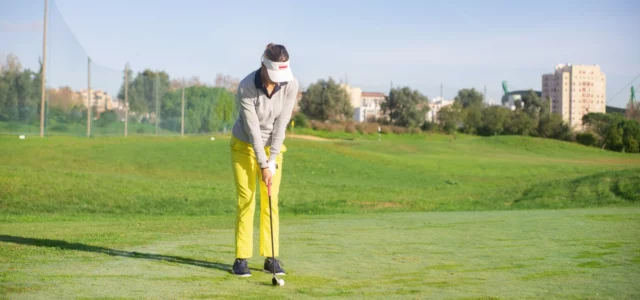
October is when the Australian golf calendar wakes up. Daylight saving has kicked in across the south-east, twilight comps are back and the couch fairways are greening up again. It is also when plenty of golfers discover that the swing they left behind in winter has not come back with the weather. The driver drifts right, the irons feel thin, and the finish ends in a stagger. Before you book another lesson or blame the clubs, look at the body you are swinging with. Months of desk work, car trips and cold mornings shrink the turn in your hips and upper back, and no tip on the range can give it back. Five floor exercises, done at home on a towel in about fifteen minutes, target the physical limits behind the faults Australian coaches see most at this time of year. Below you will find how to tell which one you need first, how to do each one properly, and how to fit them in around Saturday comps as the season builds.
A quick word of caution before anything else. These are general exercises for healthy adults. They are not a rehab program and they do not replace a diagnosis. If a movement gives you sharp pain, sends pain or pins and needles down an arm or leg, or leaves a joint aching the next day, stop. The section on warning signs further down tells you when to get it looked at.
Why the swing goes missing after winter
Think of the golf swing as a chain with three links. The pelvis has to rotate over planted feet. The upper back has to turn further than the pelvis, which creates the stretch that powers the downswing. And the legs have to carry your weight from one side to the other without the whole thing tipping over. A desk job attacks the first two links every working day, and a winter of fewer rounds lets the third one fade.
The body is clever about missing links. It borrows the movement from somewhere else. Stiff hips turn into a slide away from the target. A locked thoracic spine hands the job to the arms and shoulders, and the club gets thrown over the top. A lead leg that has lost its strength lets you hang back, so the hands flip at impact. Your coach can point out the symptom, but only the body can supply the missing range. That part is up to you.
Three tests on the lounge room floor
Give yourself five minutes before you start, and jot the results in your phone. You will repeat them after six weeks, which lands you around the start of December, right when summer golf gets busy.
- The chair turn. Sit on a kitchen chair with your knees together and a club held across your collarbones. Keep the hips still and rotate the shoulders each way. If the shaft cannot point roughly at the corner of the room, about 45 degrees, your upper back is limit number one.
- The pelvis-only turn. Take your address posture, arms crossed on your chest, and rotate only the hips while the shoulders stay quiet. If everything turns together like a block, your hips and torso have stopped working independently.
- The flamingo. Stand on one foot with the other knee raised to hip height, then shut your eyes and count. Swap legs. A clear gap between left and right is worth noting, because it usually shows up as a solid backswing and a shaky finish, or the other way round.
Exercise for the over-the-top move: the open book
If the chair turn was your worst result, start here. This is the drill office workers tend to need most.
Lie on your side with a folded towel under your head and your knees drawn up level with your hips. Stretch both arms out in front of you, palms touching. Keep the knees together and on the floor, then sweep the top arm up and over like a book cover opening, turning your head to follow the hand. Let the shoulder blade sink towards the floor behind you, breathe out, hold for two seconds and close. Do eight to ten each side.
The common mistake is to let the knees peel apart, which means the lower back is doing the turning instead of the middle of the spine. A rolled-up hand towel squeezed between the knees keeps you honest. The rotation you are after sits between the shoulder blades, which is exactly where a good backswing gets its depth.
Exercise for the sway: the 90/90 hip switch
Golfers who drift off the ball on the way back, or slide towards the target on the way down, usually have hips that have forgotten how to rotate.
Sit on the floor with both knees bent to about a right angle, one shin in front of you and the other out to the side. Sit tall, using your hands behind you for support if you need them. Lift both knees and swing them across to the other side, so the front leg becomes the side leg. That is one switch. Do eight to ten slowly, then pause in each final position for a few breaths and lean your chest gently towards the front shin.
Make the hips do the work rather than rocking the trunk. Once it feels comfortable, lift your hands off the floor. If your knees object, open the angles wider than 90 degrees; there is no prize for forcing it.
Exercise for an arms-only swing: the lateral lunge
Plenty of club golfers never really load the trail leg, so the swing is all arms and the ground never gets used. The lateral lunge teaches you to sit into one hip and push away from it.
Start with your feet together. Take a big step out to the side, sink back into that hip with the knee lined up over your toes and the other leg straight, chest proud. Drive off the bent leg back to the start. Eight per side. To make it harder, hold the bottom position for two seconds or sink lower.
Watch the bent knee. It should stay over the middle of the foot rather than caving in. That is the same knee position that keeps your trail leg braced at the top, and it is where much of the distance you have been missing off the tee hides. Golfers who learn to use the legs often find a few extra metres off the tee without swinging any harder.
Exercise for the wobbly finish: the single-leg Romanian deadlift
If the flamingo test was messy, or you often walk out of your finish, this one is for you. It trains the lead leg to stop the body at impact and drills the hip hinge that holds your posture.
Balance on one leg with a soft knee. Hinge forward at the hip and let the free leg float out behind you, keeping your back flat, until your torso is nearly parallel to the floor or as far as you can control it. Push the standing foot into the floor to come back up. Six to eight slow reps each leg. For the first week, keep a fingertip on a benchtop or the back of a chair.
Keep the hips level, as if balancing a cup of tea on your lower back. When eight steady reps feel easy, hold a full water bottle or a loaded backpack in the opposite hand.
Exercise for standing up through impact: the dead bug
Losing your spine angle, standing up as you strike the ball, or finishing with an arched lower back all point to a trunk that cannot keep its shape while the limbs move.
Lie on your back with your arms reaching for the ceiling and your hips and knees bent at right angles. Gently flatten your lower back into the floor. Slowly reach one arm back past your head while the opposite leg extends towards the floor, stopping before your back lifts. Return and swap. Eight to ten per side, breathing out on the way down.
Go slowly; rushing turns it into a waste of time. If you happen to have a resistance band, a door-anchored press makes a useful extra: stand side-on in your golf posture, hold the band at your chest and push it straight out without letting it rotate you. Ten each side. It is optional, though. The dead bug on its own covers the job.
Fitting it in around comp days
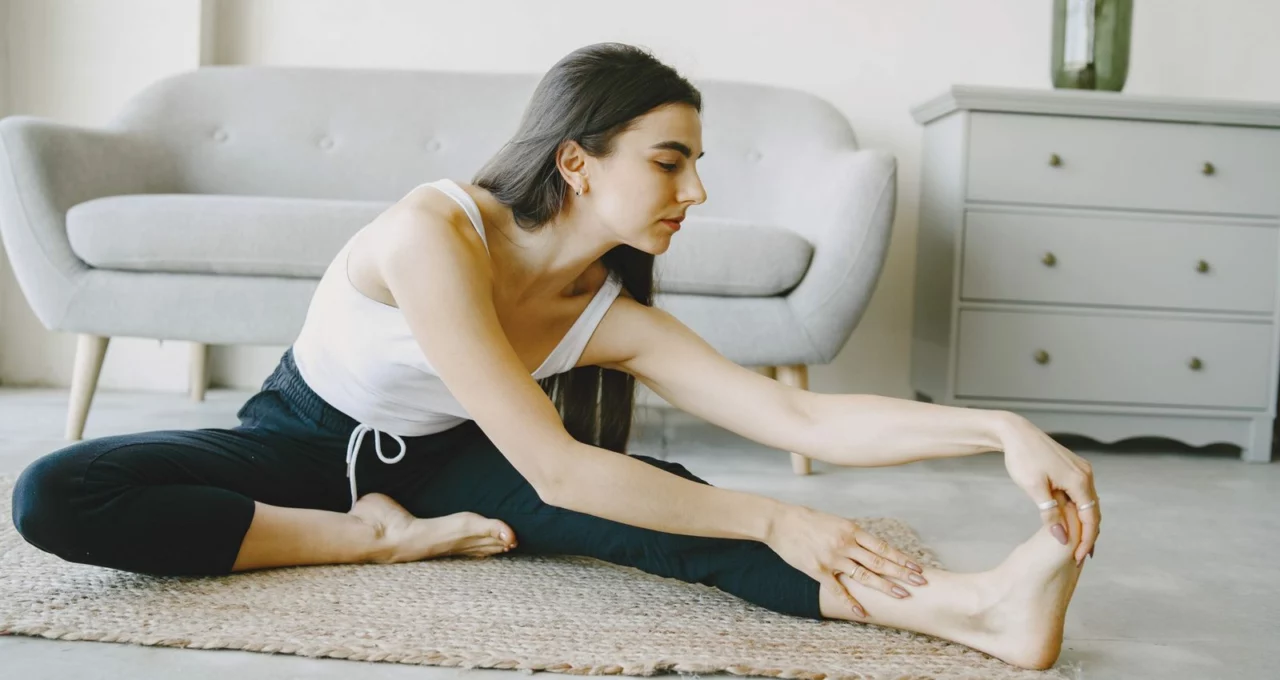
Run through all five in one block, about three minutes each with both sides included, and you are done in fifteen minutes. Aim for three sessions a week with a rest day between them. Most golfers notice a change within a few weeks.
The routine also counts towards the national guidelines. Australia’s Physical Activity and Sedentary Behaviour Guidelines, published by the Australian Government Department of Health, recommend that adults aged 18 to 64 do muscle-strengthening activities on at least two days each week, alongside 150 to 300 minutes of moderate activity, and that they break up long stretches of sitting. Health department figures suggest most adults fall short on the strength part, so a golfer doing this three times a week is ahead of the curve.
A few practical tips for the warmer months:
- Train early or late. As the days heat up, do your session in the cool of the morning or after sunset, the same way you would book an early hit-off. Our guide to summer golf in the heat covers hydration on the course.
- Keep two drills for the first tee. A few open books against the car and a set of lateral lunges slot neatly into your warm-up routine. Leave the deadlift and the dead bug for home.
- Swing straight after the session. Once a week, finish with ten slow, ball-free swings in front of a mirror or a dark window while the new range is fresh. That connection is what turns flexibility into a better swing.
- Break up the desk day. One open book per side at lunchtime does more for a tight upper back than a long session once a week.
Six weeks in, redo the three tests. The chair turn and the flamingo usually improve the most. If nothing has moved, you are probably hurrying the reps, or the restriction needs a professional eye.
Warning signs that mean stop
Some muscle soreness the day after a new exercise is expected. Joint pain is a different matter. Stop and get assessed if you feel sharp pain during a movement, pain or tingling running into a limb, swelling around a joint, or the same spot hurting during and after every session. If you have had back surgery, a joint replacement or have been told you have osteoporosis, check with your GP or a physio about which of these movements suit you before you start.
Where to get your movement assessed in Australia
You can start this routine without seeing anyone, but a short screen with someone who understands the golf swing will tell you which limit to work on first.
A physio, no referral needed. Physiotherapists in Australia are first contact practitioners, so you do not need a doctor’s referral to book an appointment. The Australian Physiotherapy Association runs a Find a Physio search at choose.physio that lets you look for physios near you. When you call, it is worth asking whether the clinic has someone with an interest in golf.
Who pays. Medicare does not generally cover a standard physio visit. Private health insurance extras cover (also called general treatment cover) can pay part of the fee, depending on your policy and its annual limits, so check your fund before booking. If you live with a chronic condition, your GP may set up a chronic condition management plan, which gives access to Medicare rebates for up to five allied health services a calendar year in total, shared across disciplines such as physio and podiatry. There is usually still a gap to pay.
TPI-certified professionals. The Titleist Performance Institute trains golf coaches, fitness trainers and medical practitioners in a golf-specific movement screen. Its website at mytpi.com has a Find an Expert map that you can filter by type of professional. The TPI screen checks the same qualities as the three tests above, in far more detail.
Your PGA Professional. A coach cannot treat an injury, but a good one will spot when a fault is physical rather than technical. The PGA of Australia’s Find a PGA Pro tool, on its website, lets you search by postcode for professionals near you, with options for individual lessons, clinics and advice. Bring your test results to your next lesson. Our article on getting value from lessons explains how to make the most of the hour.
Track it on your handicap. Your scores already live on Golf Australia CONNECT, the platform that replaced GolfLink, so your GA Handicap record is a simple way to see whether six weeks of floor work show up on the card by the time the summer comps arrive.
Your spring card
- Open book: eight to ten each side, breathe out as you open. For the over-the-top move.
- 90/90 hip switch: eight to ten slow switches, then hold each side. For the sway.
- Lateral lunge: eight per side, knee over the middle of the foot. For an arms-only swing.
- Single-leg Romanian deadlift: six to eight per leg, hips level. For the wobbly finish.
- Dead bug: eight to ten per side, lower back flat. For standing up through impact.
Fifteen minutes, three days a week, a towel and a bit of floor. Do the three tests tonight, save the numbers, and set a reminder for six weeks from now. If the chair turn and the flamingo have improved by early December, take that card to the range and show your coach. The swing you were chasing in October may be ready for summer.