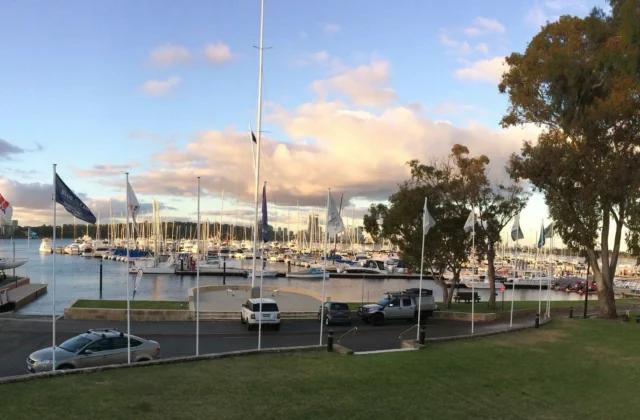
Daylight saving is back: seven clubs, a light carry bag and a twilight nine after work in Australia
Daylight saving opens up the after-work nine. Which five clubs to keep, how to fill the gaps in metres, twilight comps and handicap rules, and what golfers say about Ping's Moonlite, A$159.99 this month.
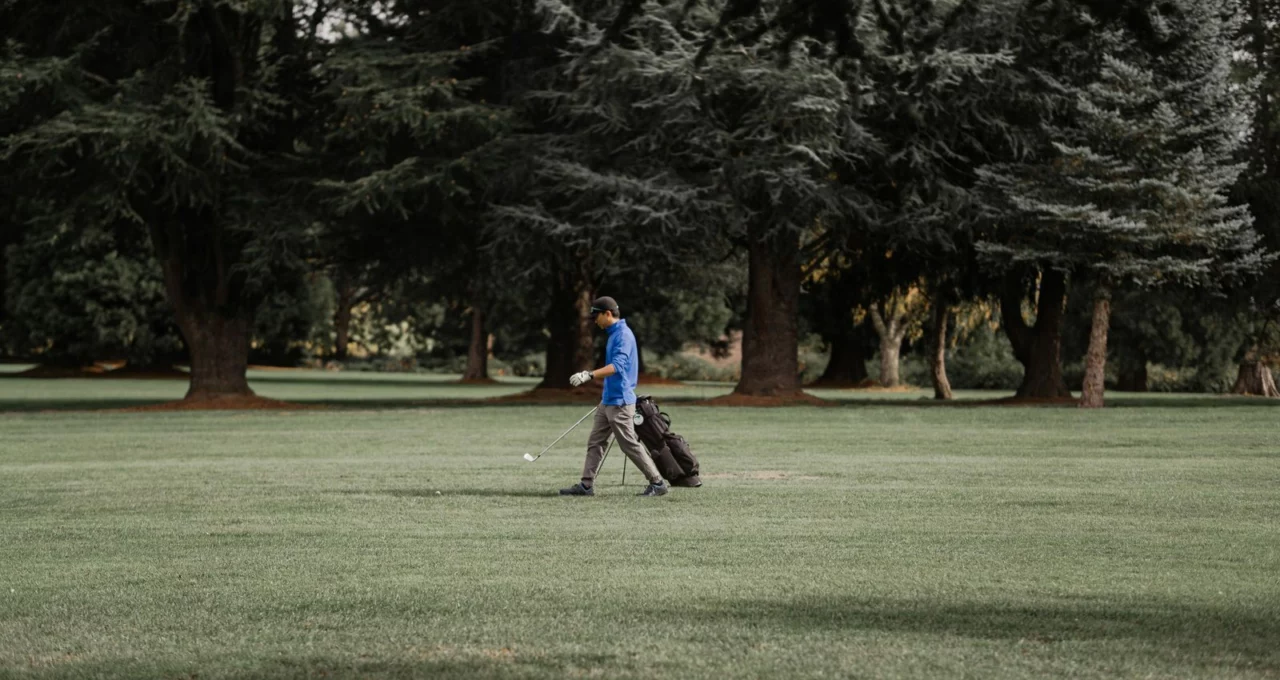
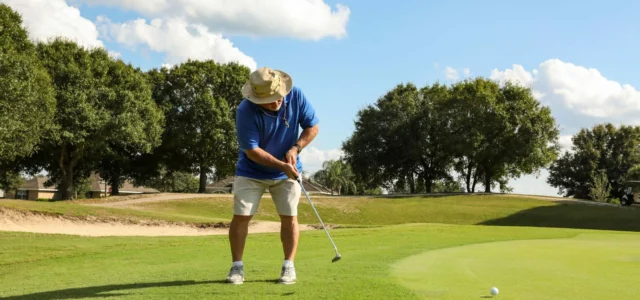
The clocks went forward this morning across New South Wales, Victoria, South Australia, Tasmania and the ACT, and that changes the shape of the working week for a lot of golfers. From now until autumn there is light enough after work for nine holes, and the quickest way to make the most of it is to leave most of your clubs at home. Grab a putter, a wedge, a couple of irons and something for the tee, sling a light carry bag over one shoulder and walk straight from the car park to the 1st. This guide covers how to choose those clubs, how to cope with the distances they leave you, what earns a place in the pockets on a spring evening, and what golfers think of one popular small bag.
The bag in question is Ping’s Moonlite, chosen as an example because it is widely sold here and because Ping publishes its specifications. The figures about it come from Ping, the price was read at an Australian retailer in October 2026, and nobody at Panxis Golf has carried one around a course. Read it as a buying guide built on published facts and public opinion, not as a review.
Fourteen is a ceiling, not a target
Rule 4.1b of the Rules of Golf caps the bag at fourteen clubs. There is no lower limit at all: a round played with three clubs is just as legitimate as one played with a full set, in a social hit or in a competition. That matters because a twilight nine is not only a practice walk. Under the World Handicap System, as Golf Australia applies it, a nine-hole score can be entered for handicap purposes, provided your club accepts it and you play from the tees and on the nine it has rated. A light bag and an hour and a half can still move your GA Handicap.
There is a quieter benefit too. Most club golfers use five or six clubs for the bulk of their shots and carry the rest as a comfort blanket. Strip the set back and you stop dithering between the 6 and the 7, you walk at a better clip, and you start inventing shots, which is a skill the full set rarely asks of you.
If you have not yet worked out which kind of bag suits your golf in general, our guide to stand bags, cart bags and Sunday bags sets out the whole range. Here the focus is the smallest of them and the clubs that go in it.
The five clubs that earn their place every time
Ask ten low markers which clubs they would keep for an evening nine and the answers overlap more than you might think.
- Putter. Non-negotiable, and on a nine it is still the club you will use most.
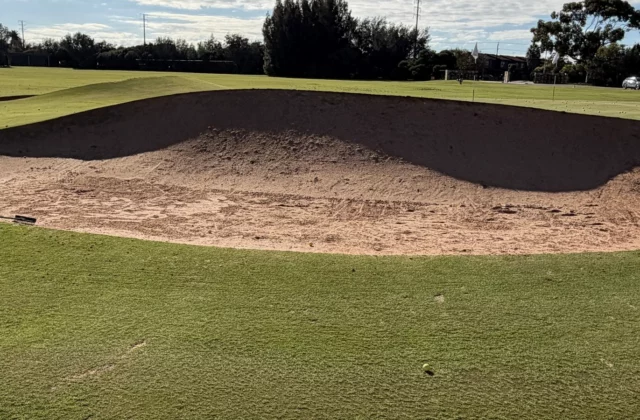
- A sand wedge of around 54 to 58 degrees. It deals with greenside bunkers, short pitches over trouble and anything that has to stop quickly on a firm spring green. If there is room for only one wedge, this is it.
- A pitching wedge or gap wedge. On firm Australian surrounds plenty of chips are better run along the ground, and this club does that job as well as covering the full shot from around 100 metres.
- A 7-iron. The most adaptable club in the bag: a full approach, a knock-down under the afternoon sea breeze, or a bump-and-run from the fringe.
- A tee club you actually trust. On a short evening nine that may well not be the driver. A rescue or a 5-wood that finds the fairway is worth more than ten extra metres into the rough. If you are still deciding between a long iron and a rescue, our ten-ball hybrid or 4-iron shoot-out will settle it.
With those five you can get round any course. Whatever else you add is there to shrink the gaps.
Filling the gaps: three sample sets
The usual approach is to skip every second iron. With a full set your clubs might be 10 to 12 metres apart; drop every other one and the gap grows to somewhere between 20 and 25 metres. That sounds like a lot until you play a few holes and realise how often you would have been between clubs anyway. Shape the rest of the set to your strengths:
| Your game | A seven or eight club set | Why |
|---|---|---|
| Long hitter on an open course | Driver, rescue, 7-iron, 9-iron, pitching wedge, sand wedge, putter | The driver leaves short approaches, so the scoring clubs matter more than the long ones. |
| Steady player with a good short game | 5-wood, 6-iron, 8-iron, pitching wedge, gap wedge, lob or sand wedge, putter | Two or three wedges cover the 40 to 100 metre zone without awkward half shots. |
| Newer golfer | Rescue, 7-iron, 9-iron, sand wedge, putter | Five clubs, none of them hard to hit, and nothing in the bag you are scared of. |
Before you pack, glance at the scorecard or the course map. The par 3s tell you which irons you will need; a long par 5 might justify the 5-wood; a short course with nothing over 300 metres may not need anything longer than a rescue. If you want to put real numbers on your scoring clubs first, our 40-to-100-metre wedge card shows how to build one from three swing lengths.
When the distance falls between two clubs
It will happen on the first hole. The flag is 120 metres away, your 9-iron goes 110 and your 7-iron goes 135. The full set would have handed you an 8-iron; the half set asks you to make a decision. That is a good thing, because these are the shots that save you on a gusty afternoon or from a poor lie.
- Choke down on the longer club. Gripping a couple of centimetres shorter takes a few metres off without any change to your swing.
- Swing three-quarters. A controlled, shorter swing with the 7-iron usually flies lower and holds its line better than a lunge at the 9.
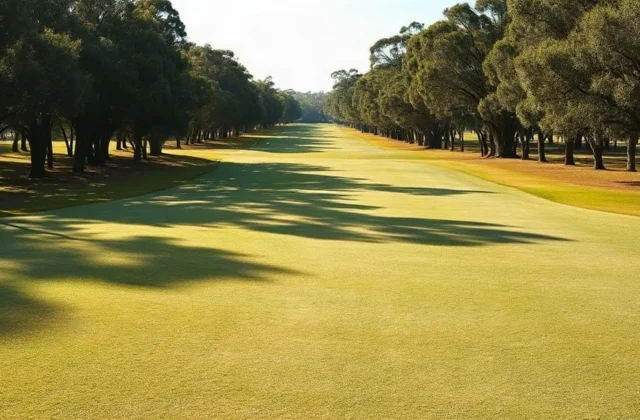
- Use the ground. Spring fairways on firm couch are starting to run. A low shot landed short of the green and allowed to release often beats a high one that has to carry all the way.
- Pick the safe miss. If the trouble is long, take the shorter club; if a bunker guards the front, take the longer one and accept a putt from the back of the green.
Practise these on the nine and they stay with you when the full set comes back out for the Saturday stableford.
The Ping Moonlite: what Ping lists
The Moonlite name has been around for years, which causes some confusion. Earlier versions took a full set; the current one, introduced for 2025, is a smaller bag sized for a short round. On its product page, Ping lists:
- Weight: 2 lbs, which is about 0.9 kg. Ping gives the figure in pounds only.
- Capacity: 7 to 9 clubs, pitched by Ping at par-3 courses and practice sessions.
- Top: a two-way top, so two compartments for the clubs.
- Pockets: three, with a combined volume of 7 litres: an insulated water-bottle pocket (Ping notes it is not waterproof), a rangefinder pocket and an accessory pocket.
- Strap: a single standing strap that keeps the bag upright enough to pick up without bending all the way down.
- Other details: a Velcro glove patch and a water-resistant belly panel.
Ping does not publish dimensions or a fabric, so neither appears here. Price read in October 2026 at an Australian retailer: A$159.99, marked down from a listed recommended price of A$199.99. Discounts come and go, so treat the lower figure as a snapshot rather than a standard price.
Seven to nine clubs is exactly the half set described above. It is not a bag to stuff with your full Saturday kit.
What golfers are saying about the Ping Moonlite
Golf forums, published reviews and public retailer comments keep coming back to the same handful of points about the current model.
The praise
- How little it weighs. Owners and reviewers describe forgetting it is on their shoulder, and buyer’s guides to Sunday bags single it out for value as much as for weight.
- No frame, no fuss. With no legs and no rigid base, the bag squashes into a car boot, behind a seat or into a cupboard, and plenty of owners say that is the main reason they bought it.
- Quiet on the walk. Because the clubs sit close together in a small opening, they move less and rattle less as you walk.
- The standing strap. Being able to grab the bag at hip height rather than stooping to the turf on every hole gets mentioned again and again.
The complaints
- A tight opening. The top is narrow, and once you get towards nine clubs, sliding one in and out takes a bit of effort.
- Less room than the old Moonlite. Long-time owners point out that earlier versions with a bigger top swallowed a full set, while this one does not, and some feel the newer bag lost something in the change.
- Clubs that slide out. With nothing heavy at the bottom, some owners say clubs can slip out when the bag is tipped or carried at an angle.
- Clubheads on the ground. Laid down on the grass, the heads rest on the turf: wet headcovers on a dewy evening, scuffs on a gravel path or car park.
- Small pockets. Balls, tees, phone, keys and a bottle fill them; a spray jacket and a snack will not fit easily.
- Few colourways. The choice runs to two or three, depending on where you look.
Where to play nine after work in Australia this spring
Daylight saving starts on Sunday 4 October 2026 in New South Wales, Victoria, South Australia, Tasmania and the ACT, and it changes what is possible on a weekday. Early in October the sun sets at roughly half past seven in Melbourne, around twenty past seven in Adelaide and about seven in Sydney, and later still as the month goes on. Queensland, Western Australia and the Northern Territory do not change their clocks, so a Brisbane golfer is looking at a sunset before six and a Perth golfer at a little after, which makes a nine after work a tight squeeze until the days stretch further into summer. Check the sunset time for your suburb, then work back about two hours for a comfortable nine walking.
Twilight comps and rates. Many Australian clubs run weekday twilight competitions over nine holes once daylight saving starts, often with a casual dress code and a drink afterwards, and most public courses sell a cheaper twilight rate from mid-afternoon. Times and prices vary from course to course and month to month, so look at the online tee sheet rather than relying on last season. Our guide to spring tee-time release hours and twilight rates explains how booking windows work, and the page on nine-hole and short courses in Australia covers the formats you are likely to find.
Making the nine count. If you want the round to go towards your handicap, check before you tee off that your club accepts nine-hole scores, that you are on the rated nine, and that you enter the score the way your club asks, whether through the clubhouse or the Golf Australia app. A nine-hole twilight comp normally takes care of this for you.
Things that come out at dusk. October is the heart of magpie swooping season in much of the country, so a cap or hat is more than sun protection near a nesting tree, and some clubs flag the worst spots with signs. Kangaroos gather on fairways in the evening at plenty of courses: give them room and never walk between a mob and its joeys. Snakes become active again as the weather warms, so do not reach into long grass or native scrub after a ball. Many courses with native areas treat them as penalty areas, so check the local rules on the scorecard before you go hunting.
Buying the bag. Your club’s pro shop may keep a couple of carry bags in stock; ask to load your own seven or eight clubs and see whether the top still takes them comfortably. Specialist golf stores let you compare several brands at once for weight, strap padding and pocket size, and it is worth bringing your longest club. Online is often where the deepest discounts sit, though you lose the chance to try the fit. On the second-hand market a carry bag has little to wear out apart from zips, strap and base, so check those, and confirm the model year, since an older Moonlite and the current one are very different bags. Wherever you buy, ask about returns and about the warranty on zips and straps; under Australian Consumer Law a bag that fails well before its time is a matter for the seller.
Packing the pockets for a spring evening
Three small pockets force you to choose, and the choice in Australia is slightly different from the one in the northern hemisphere.
In:
- Four or five balls, a handful of tees, a ball marker, a pitch-mark repair tool and one glove.
- Sunscreen and a hat. The UV index can still be high in the late afternoon in spring, particularly further north.
- Insect repellent: mosquitoes come out near dams and creeks as the light fades.
- A full water bottle, even for nine holes. Our page on fuel and fluids for a hot Australian round explains why.
- Phone, keys and wallet in the pocket that zips shut, and a rangefinder if you use one.
Out, left in the car:
- The umbrella and full wet-weather gear. If a spring storm is forecast, the nine can wait for another evening.
- Spare gloves, a dozen balls, iron covers and the other just-in-case items. Keep one headcover if you take a wood.
Carrying it comfortably
With a single strap, all the weight sits on one shoulder, so swap sides every couple of holes. Wear the bag high on your back rather than letting it bounce against the backs of your legs. When you put it down, lay it on the side of the green closest to the next tee and keep it off wet grass if you can. If you have a back or shoulder problem, check with a health professional before carrying any bag, however light.
Before you head out tonight
- Core five: putter, sand wedge, pitching or gap wedge, 7-iron and a tee club you trust.
- Add two or three clubs at most, skipping every second iron, and let the par 3s decide.
- Rehearse the in-between shot: grip down, swing three-quarters, let the ball run on firm couch.
- Check sunset for your city, book a twilight time or enter the twilight comp, and confirm nine-hole scores are accepted if you want the round to count.
- Hat, sunscreen, repellent and water in the pockets; the umbrella stays in the boot.
A seven-club set and a bag under a kilo will not knock shots off your handicap by themselves, but they make it far easier to say yes to a nine on a Wednesday evening, and over a long Australian summer those evenings add up.
How this page was put together
This is a buying guide and a reading of public opinion, not a test. The weight, capacity, top, pockets, pocket volume, strap and other details of the Ping Moonlite come from the product page Ping publishes for the current model; Ping gives the weight in pounds and it was converted to kilograms for this page, and where Ping gives no figure, such as dimensions or fabric, none is given here. The price of A$159.99, against a listed recommended price of A$199.99, was read in October 2026 on the website of Golfbox, an Australian golf retailer. What golfers say was read on the GolfWRX forum, in MyGolfSpy’s Sunday bag buyer’s guide and coverage of the model, in the Golfalot review and in public retailer comments; nobody is quoted by name, nothing was counted, and no impression is presented as a statistic. The rules points come from the Rules of Golf (Rule 4.1b) and the World Handicap System as administered by Golf Australia. Daylight saving dates are those of the state and territory governments.
Nobody at Panxis Golf has carried this bag or played these clubs for this page. There is no commercial link on this page, no affiliate arrangement and no commission of any kind. If any content on this site is ever paid for by a brand, it will carry an advertising notice at the top of the page, before the first line.