Golfer’s elbow: red flags, a six-week rehab plan and where to see a physio in Australia
Spring golf in Australia piles on rounds, twilight comps and range buckets just as the fairways firm up, and the tendon on the inner elbow often pays for it. Most cases settle without surgery if you spot the red flags early, ease back without stopping and rebuild the tendon step by step before summer bakes the ground.
In brief
- Golfer's elbow, or medial epicondylitis, is an overloaded tendon where the wrist flexors attach to the bony knob on the inner side of the elbow.
- Tingling in the ring and little fingers, a pop with swelling, an elbow that locks, night pain or no progress after six to eight weeks all mean a GP visit first.
- Rehab starts with isometric holds and moves to slow wrist curls; ice, tablets and a forearm strap only ease symptoms, and cortisone relief tends to fade.
- In Australia you can book a physio without a referral through the APA's Find a Physio directory; extras cover may pay part of the fee, while Medicare rebates mostly need a GP chronic condition plan.
The first sign is easy to miss. You finish a bucket at the driving range on a warm October evening, and there is a faint soreness on the inner side of your right elbow (left, if you swing from the other side). A week later it nags when you lift the kettle or pull the buggy out of the boot. Golfer’s elbow tends to arrive exactly when Australian golfers are ramping up: daylight saving is back across the south-east, twilight comps are filling up and the fairways are firming. The tendon involved hates sudden jumps in workload, and spring is full of them. Here is how to tell what you are dealing with, which symptoms need a doctor, the rehab that helps and how to keep playing.
This is general information for adult golfers, not a diagnosis, and elbow pain is not always a tendon problem. Read the red flags before any self-treatment.
A tendon on the inner side of the elbow
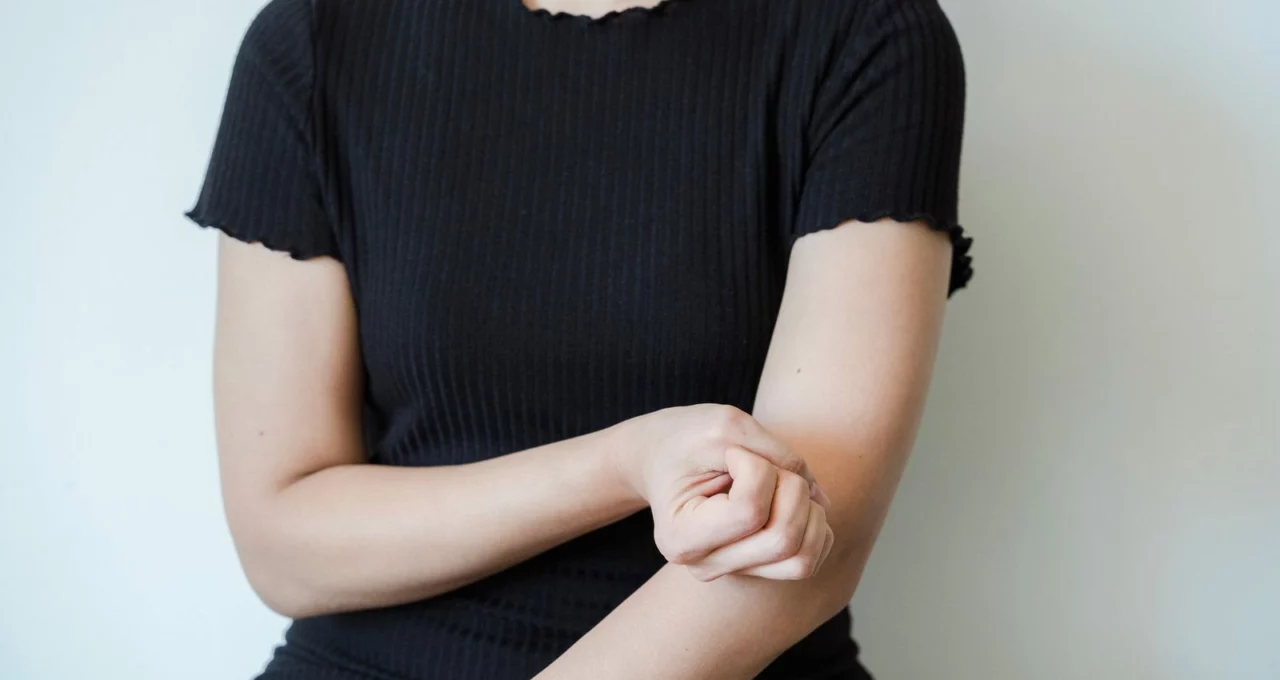
Doctors call it medial epicondylitis. Feel the knobbly bone on the inner edge of your elbow, the side closest to your body when your arms hang with the palms forward. That knob is the medial epicondyle. The muscles that curl your wrist and roll your palm downward all share a single tendon anchored there, so every firm grip and every flick of the wrist pulls on the same small patch of bone.
The “itis” ending suggests swelling and inflammation, but in a tendon that has been grumbling for months, the more common finding is tissue that has broken down and tried, without much success, to repair itself. Clinicians increasingly use the word tendinopathy for that reason. The point is practical: such a tendon recovers by carrying a bit more load, a bit at a time, not by being wrapped up and ignored.
Pain on the outer side of the elbow is tennis elbow, the same overload on a different tendon. Golfers get both, and most of the rehab below applies to either.
Signs it is golfer’s elbow
- A tender spot right on the inner knob, or just below it, sometimes with an ache running into the forearm.
- Soreness with gripping, a firm handshake, carrying shopping bags with the palms facing up, or curling the wrist against resistance.
- Stiffness first thing in the morning that loosens up as you get moving, then comes back after a session.
- On the course, a sharp jab through impact, worst on heavy shots, tight lies and when the club bounces off firm ground.
A quick self-check: sit at a table with your forearm resting on it, palm facing the ceiling. Push your hand up against the other hand, which holds it down. If that brings on the familiar ache on the inner side of the elbow, the wrist flexor tendon is the likely culprit.
Red flags: see a GP before you do anything else
Skip the home rehab and book a GP appointment promptly if you notice any of these:
- Tingling or numbness in the ring and little fingers, or a hand that feels weak or clumsy. The ulnar nerve runs in a groove right behind the inner elbow, and a nerve problem needs a different approach from a tendon one.
- A pop or a sudden sharp pain on one particular shot or after a fall, followed by swelling or bruising.
- An elbow that locks, catches or will not fully straighten or bend.
- Pain at night or at rest that does not change when you move the arm, or a joint that is hot, red and puffy, especially with a temperature.
- No progress after six to eight weeks of sensible self-care.
A hands-on examination usually confirms the diagnosis; imaging is kept for cases that do not add up.
How golf overloads it
Tendons adapt far more slowly than muscles, and trouble starts when load climbs faster than they can keep up.
The spring spike. After a winter of one round a fortnight, you play Saturday comp, a Tuesday twilight, a Thursday nine and two range sessions in the same week. Your lungs cope. Your forearm tendon may not.
Firm ground and mats. A steep swing that drives the club into hard turf sends a jolt up the shaft. Range mats are just as unforgiving, and by January much of the country plays off baked fairways where the ground gives very little back.
Squeezing the life out of the grip. A tight grip keeps the wrist flexors switched on from takeaway to finish. A trail hand that throws the clubhead at the ball adds to it.
Everything else. Mouse work, pruning, pull-ups, power tools, lifting kids. The tendon counts all of it.
Rehab that actually helps
Most golfer’s elbow settles without an operation, but it rarely settles quickly. A mild case can calm down in a few weeks; one that has been ignored all winter can take several months. The approach with the best support follows two steps: settle the irritation, then rebuild what the tendon can tolerate.
Back off, do not shut down. Reduce whatever sets it off, and that may mean pausing full swings for a while, but keep using the arm for normal life. A common physio guide: some discomfort during an activity is acceptable if it stays mild and the elbow is no worse the following morning.
Static holds first. Isometric work is the usual starting point. Rest the forearm on your thigh, palm up, and press your hand upward against your other hand or a fixed object without letting the wrist move. Hold for 30 to 45 seconds and repeat a few times.
Then slow lowering. Once the holds are comfortable, move to wrist curls with a light dumbbell or a full water bottle, palm up, lowering the weight over three or four seconds. A flexible rubber twist bar is a cheap addition, and there is a version of the twist exercise aimed at the inner elbow. Add grip squeezes and slow forearm rotations holding a hammer near the head. Increase the weight only when the current one feels easy.
Ice and tablets, with care. Ice after a session and over-the-counter anti-inflammatories can dull the pain for a short spell. Neither repairs the tendon, and anyone with stomach, kidney or heart problems should ask a pharmacist or GP first.
The forearm strap. A counterforce strap sits a few centimetres below the elbow and aims to take some of the pull off the sore spot. The evidence is modest: support during rehab, not the fix.
Cortisone and other options. A cortisone injection can bring quick relief, but research on elbow tendinopathy, mostly on the tennis elbow side, has found the benefit tends to wear off and that the pain often returns in the following months. Other injections have mixed evidence. Surgery is kept for the small number of people who have not improved after many months of well-run rehab.
Keeping a game going while it heals
Stopping completely is not always necessary. Plenty of golfers play a scaled-back game during rehab, provided the pain stays mild and the morning-after test is passed.
- Give the range mats a miss. If you hit balls, hit them off grass, and keep the session short.
- Take the ball off the turf where you can. Tee it up on par 3s, play preferred lies when the club has them in place, and chip out sideways from thick rough instead of hacking at it.
- Hold the club with about four out of ten pressure, and check the trail hand is not doing all the work.
- Push a buggy or take a cart rather than carrying.
Worn, shiny grips make you squeeze harder, so fresh ones may ease the pressure a little. They do not replace the exercises.
Where to get your elbow checked in Australia
A physio, directly. Physiotherapists in Australia are first contact practitioners, so you can book an appointment without a referral from a doctor. The Australian Physiotherapy Association runs a Find a Physio directory at choose.physio to look for physiotherapists near you. A physio will check whether the tendon, the nerve or the neck is the source, then build your loading program.
Paying for it. Medicare does not generally cover physiotherapy on its own. If you hold private health insurance with extras cover, part of the fee may come back, within your policy’s limits, so ask your fund before booking. If you also live with a chronic condition, a GP Chronic Condition Management Plan can give access to Medicare rebates for up to five allied health services in a calendar year, shared across all disciplines. That pathway depends on your GP’s assessment and there is often still a gap to pay.
Your GP. For any of the red flags above, or if nothing has changed after six to eight weeks, start with your GP. They can examine the elbow, decide whether imaging is warranted and refer you on to a sports physician or orthopaedic surgeon if needed.
Your PGA Professional. A coach does not treat tendons, but can spot the steep attack angle, the white-knuckle grip or the trail-hand flick that keeps aggravating one. The PGA of Australia’s Find a PGA Pro directory, on its website, helps you search for coaches near you. Mention the elbow before the lesson starts.
Golf Australia CONNECT. The Golf Australia platform that replaced GolfLink keeps a record of the rounds you post. Scroll back through it to see whether your playing load jumped this spring, and show the physio.
The season. October is the start of the busy stretch in the southern states, and it gets harder on elbows as summer bakes the fairways. A few lighter weeks on the short game now cost far less than limping through to January. In the tropical north, where golf runs year round, schedule those lighter weeks deliberately.
Stopping it coming back
- Ramp up gradually. After a break or at the start of spring, add rounds and range sessions over several weeks rather than all at once.
- Use the big muscles. A swing driven by the hips and upper back asks less of the arms, and a proper golf warm-up routine gets those bigger muscles going before the first tee.
- Shallow out the strike. Ask a coach to help you take a shallow divot after the ball rather than digging before it. Hard summer ground punishes the steep swing, and your elbow takes the hit.
Your next six weeks
- Today: do the table check and press on the inner knob. If any red flag applies, book a GP or physio before going further.
- Week 1: drop full swings and range mats, keep putting and chipping, start daily isometric holds.
- Weeks 2 to 4: add slow wrist curls and the twist bar every second day, increasing the weight only when the current one is easy.
- Weeks 4 to 6: bring back full swings off grass in small numbers, starting with short irons and pitches of 50 to 100 metres, with a soft grip. Judge each day by how the elbow feels next morning.
- From there: two forearm sessions a week for good, and a lesson on your strike before the ground goes rock hard.
Be more patient than the tendon. Quiet weeks, steady loading and an honest morning-after test usually have you swinging freely before the summer comps peak.