Taking your clubs on Air Canada or WestJet: rules, packing and lost bags
A golf bag usually flies as one ordinary checked bag on Canada's two largest airlines, with no oversize fee. The details that catch golfers out are the packing rules, the 23 kg limit and what to do in the first hour when the clubs miss the carousel.
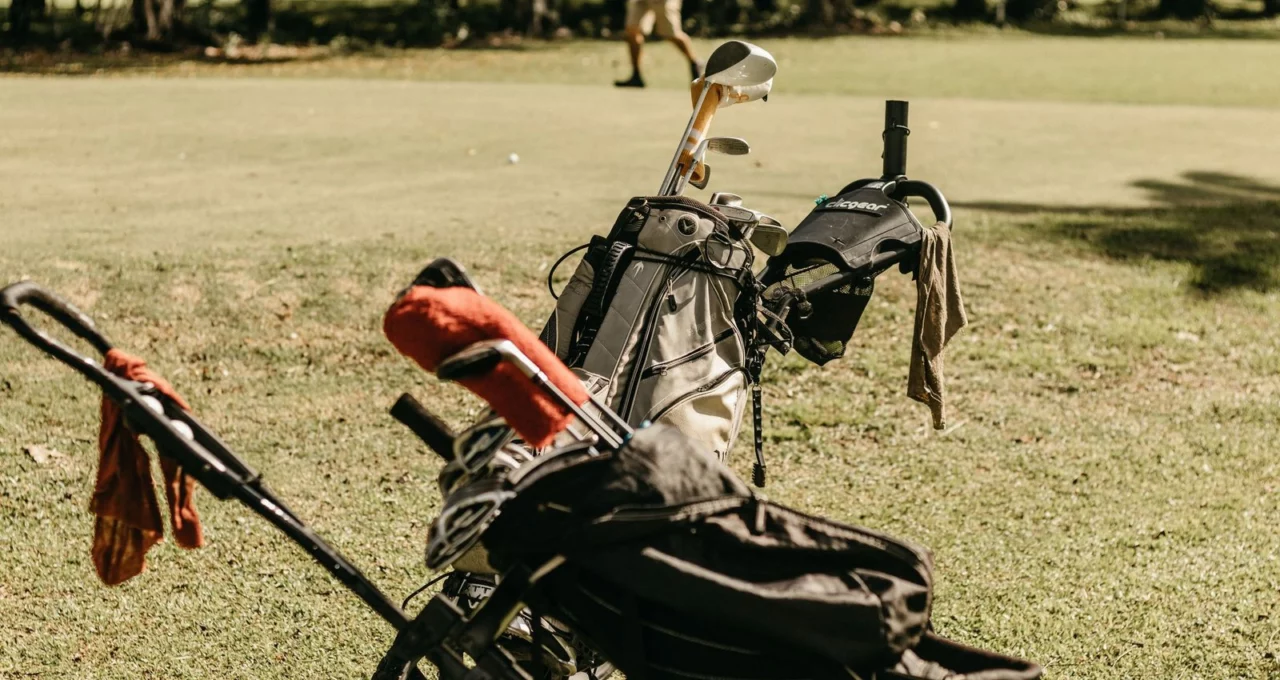
In brief
- Air Canada counts a golf bag with about 14 clubs, 12 balls and shoes as one checked bag, with no oversize charge.
- Air Canada forbids clothing in sports equipment bags; WestJet wants a hard case or a bag with a hood.
- CATSA allows golf clubs in checked baggage only; keep rangefinders and batteries in your carry-on.
- A support rod taller than the driver is the cheapest protection against a snapped shaft.
- File the report before leaving the airport: 7 days for damage, 21 days for delay on international flights.
Every golf trip out of Canada starts the same way. It might be a February escape to the sun, a week in the Rockies, or a buddies’ trip to the Maritimes. At some point a large, awkward bag goes onto a belt at Pearson, Trudeau, Calgary or Vancouver, and you trust a baggage system you cannot see to deliver it in one piece. Most of the time it does. When it does not, the cause is almost always something that could have been handled at home: the wrong packing, a rule nobody read, or no plan for a bag that goes astray.
This guide covers what the two largest Canadian airlines actually say about golf bags, how to pack so a driver survives a hard landing, and what to do in the first hour if your clubs do not show up on the carousel.
Read the airline’s rule before you pack, not at the counter
Golf bags are treated more generously than many golfers expect, but the details differ between carriers, and one of them changes how you should pack.
Air Canada. The airline’s special items page states that one golf bag containing approximately 14 clubs, 12 golf balls and one pair of golf shoes counts as one checked bag, and that no oversize charge applies to golf bags. You can pack more clubs and balls, but overweight fees apply if the bag goes over the weight allowance for your fare. The standard allowance on Air Canada is 23 kg (50 lb) per bag. The same page also sets a packing rule many golfers miss: sports equipment bags and cases cannot contain clothing or other personal items, and must carry sports equipment only.
WestJet. WestJet accepts one golf set per guest, made up of golf balls, golf clubs and golf shoes. The equipment must travel in a rigid or hard-shell container designed for shipping, or in a bag with an attached hood, and bags with built-in stand legs must have the legs taped or secured. WestJet waives the oversize bag fee for golf, while extra piece and overweight fees still apply.
Those two paragraphs have practical consequences:
- A golf bag usually replaces a suitcase in your allowance rather than coming on top of it, unless your fare includes more bags. Check how many checked bags your fare gives you before assuming the clubs are free.
- The old trick of stuffing jackets and sweaters around the clubheads is off the table on Air Canada. Use padding made for the purpose and headcovers instead.
- A soft carry bag with no hood does not meet WestJet’s rule. A travel cover with a hood over the clubheads does.
Fees and rules change. Look at your carrier’s page when you book and again a few days before departure, and keep a screenshot on your phone. An agent at the counter who is shown the airline’s own wording is quick to agree.
Security: checked bag only
The Canadian Air Transport Security Authority is blunt about it: golf clubs are permitted in checked baggage only. Not a single club, not even the putter, goes through the screening checkpoint.
Electronics are the opposite case. A laser rangefinder, a GPS watch or a portable launch monitor runs on lithium batteries, and airlines restrict loose lithium cells in the hold. Keep the devices and any spare batteries in your carry-on. They are also the most expensive and easiest to steal items in the whole set.
Why drivers break, and how to stop it
Picture a loaded travel bag standing on end and tipping over on a baggage cart, or dropped vertically off a belt. All that force goes down through whatever sticks up highest, which is almost always the driver shaft. The shaft snaps near the hosel or the head cracks at the crown.
The fix is to make something else the tallest item in the bag:
- A support rod. Often sold as a “stiff arm”, it is an adjustable pole that sits in the bag and extends a few centimetres above the tallest club. It takes the blow instead of the shaft, and it costs a fraction of a driver.
- Heads down or inward. Turn the woods so the heads point to the centre of the bag, not against the outer wall.
- Headcovers on every wood and hybrid. Crowns scratch against neighbouring shafts, not against the case.
- Padding that is not clothing. A foam tube, bubble wrap or the padded divider some travel covers include. It stops the set shifting in transit.
- Weigh it at home. A bathroom scale tells you whether you are near the 23 kg mark, which is the cheapest overweight fee you will ever avoid.
If shoes push the bag over the limit, move them to your suitcase. Air Canada’s own description of a golf bag includes a pair of shoes, but the weight still counts.
Hard case, soft cover, or something between
Hard cases give the best protection and are heavier, and they eat into the weight limit before a single club goes in. They make sense for golfers who fly several times a year, who travel with expensive graphite shafts, or who connect through busy hubs.
Padded soft covers are lighter and fold flat in a hotel room. With a support rod they are enough for most people taking one or two trips a year. For WestJet, make sure the cover has a hood.
Hybrid covers, with a rigid top section and base and soft sides, sit between the two and suit most travellers.
Whatever you choose, get one with wheels. A full travel bag is heavy, and the walk from the curb to the oversize drop at a large Canadian terminal is long.
Winter trips south, summer trips west
Canadian golf travel falls into two seasons, and each brings its own risks for the bag.
The winter escape. From December to March, flights to the sun are full of golfers, and oversize belts at departure airports get busy. Book the flight with the bag in mind: a direct flight means one handling instead of three. If you are planning where to go, our guide to a winter golf trip from Canada covers the destinations; this page covers getting the clubs there.
The summer mountain trip. Flying into Calgary or Kelowna for a week of golf in the Rockies or the Okanagan often involves a connection, sometimes onto a smaller regional aircraft. Oversize items can end up on a later flight when the hold is full. Leave some slack between landing and your first tee time, ideally a full afternoon or the next morning rather than a rushed round the same day.
Shipping the clubs instead
Air Canada’s baggage pages advertise a service to ship luggage ahead, including golf clubs, to and from your destination. Independent club-shipping companies offer the same idea: a courier collects the set from your home and delivers it to the hotel or the course bag room.
Do the maths for your own trip. For one golfer on a direct domestic flight with a checked bag included in the fare, flying with the clubs is usually cheaper. For a group, a long stay, several connections, or a fare with no checked bag, shipping can be competitive, and it removes the carousel risk entirely.
Before you ship, call the resort or course. Ask whether they accept shipped clubs, how long they hold them, and what they charge to store the set and send it back.
Renting at the other end
For a single round during a business trip, renting almost always beats flying a set across the country. Most resort courses and many public courses keep current rental sets.
For a week of golf it is a weaker option. The cost adds up round after round, and you lose the feel of clubs you know. A middle route works well: rent the full set, but bring your own putter and wedges, which are the clubs where familiarity matters most. Because clubs are checked-baggage only, they still go in the hold, packed flat inside the suitcase.
Where to get the travel gear in Canada
Specialist golf stores stock travel covers, hard cases and support rods, and seeing a travel bag in person is worth it, because the internal length and the fit of your longest driver are hard to judge online. Manufacturers also sell travel covers directly, and last season’s model is often the same product at a lower price.
For the trip itself, go to the source for each rule: your airline’s special items page for the bag, the resort’s own site for rentals and shipped clubs, and your home insurance policy or credit card terms for coverage. Panxis Golf has no commercial relationship with any airline, retailer, shipper or resort mentioned here, and earns no commission.
Cover, tags and trackers
An airline’s obligations for lost, damaged or delayed bags are set by the Montreal Convention and the Air Passenger Protection Regulations, and its liability is capped. It rarely matches the replacement cost of a fitted modern set. Before buying extra cover, check two places you may already be covered: your home or tenant insurance, which often includes personal property away from home, and the credit card used for the booking, which may include baggage protection.
Then add three cheap safeguards:
- A Bluetooth tracker in a side pocket, so you can tell the airline where the bag actually is.
- Your name and mobile number on a tag outside and on a card inside the bag. Outside tags get torn off.
- A lock that security can open without cutting it, or no lock at all.
The bag did not arrive: the first hour
Do not leave the airport without filing a report at the airline’s baggage desk. Get the file reference in writing. A report made later by phone is slower and harder to trace.
Next, know the deadlines. The Canadian Transportation Agency sets them out on its air passenger protection site: damaged baggage must be claimed within 7 days of receiving the bag; delayed baggage on international flights within 21 days of receiving it; on flights within Canada, as soon as possible and no later than the deadline in the airline’s tariff. A bag not returned within 21 days is treated as lost, and you claim as soon as the airline officially considers it lost.
Call the course or resort early. Destination golf properties see delayed bags every week, keep rental sets for this reason and can often move a tee time. Keep receipts for a rental set or essentials, and ask the airline and your insurer what they will reimburse.
Checklist for the night before
- Airline rule checked and screenshotted: one golf bag, clubs, balls and shoes only, no clothing on Air Canada, hood or hard case on WestJet.
- Support rod taller than the driver, heads inward, headcovers on, padding that is not clothing.
- Bag weighed at home against the 23 kg limit.
- Rangefinder, watch and batteries in your carry-on; not a single club in the cabin.
- Tracker in a pocket, contact card inside, tag outside.
- Slack between landing and the first tee, especially with a connection.
Twenty minutes with the airline’s page and a support rod does more for your clubs than the most expensive travel case you can buy.
How this page was put together
Information on the availability of travel covers, hard cases and support rods comes from Golf Town (Canada). Panxis has no commercial link with this retailer.