Out of the sand and back in play: fairway bunkers on Sandbelt-style courses
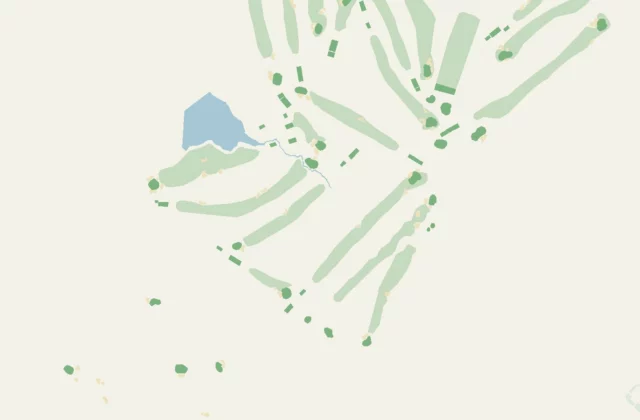
On Melbourne's Sandbelt, bunkers were placed wherever the designers wanted and are often cut right to the edge of the greens. A fairway bunker shot there is a decision before it is a swing: clear the face first, then find the spot that keeps the next shot out of sand.
In brief
- Check the lie, the face and your stance before you look at the distance.
- Take the club that clears the lip with margin, then one more for a three-quarter swing.
- Where bunkers are cut to the greens, pick a layup spot before choosing the club.
- Rule 12.2b: no touching the sand behind the ball, in a practice swing or on the backswing.
- Firm damp sand comes out hot, soft dry sand punishes contact, couch fairways add run.
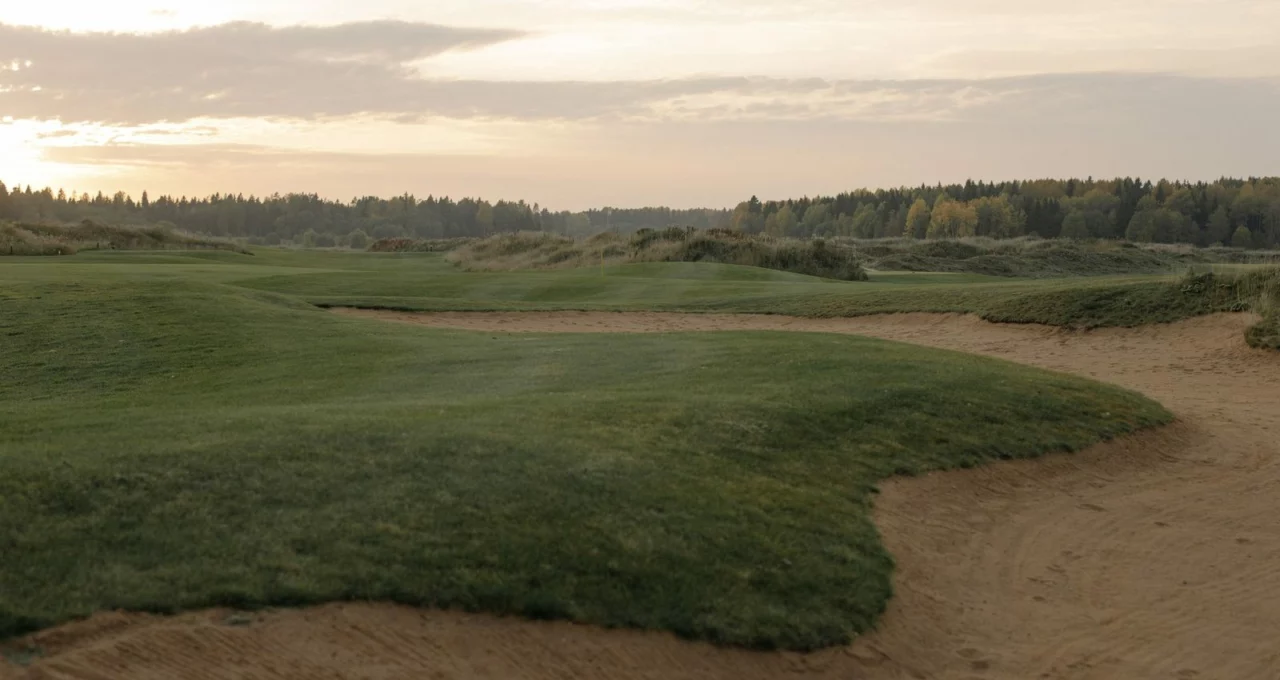
Melbourne’s Sandbelt was built on sand. Wikipedia’s account of the region notes that sand deposits there reach up to 80 metres deep, and that designers could place bunkers wherever they chose without carting sand in. At Kingston Heath, Alister MacKenzie was asked in 1926 for a bunkering strategy for the course. On courses shaped by that kind of thinking, fairway sand sits where a slightly mis-hit drive tends to finish, and the second shot decides the hole.
Most club golfers play that second shot badly for one reason: they treat a fairway bunker as a fairway with a different colour. It is not. The decision and the strike both change, and once you know how, it becomes one of the easier recovery shots in golf.
Read the lie before the distance
Before you pull out the rangefinder, walk into the bunker and answer three questions.
- Is the ball sitting on top or down? A ball perched on firm sand can be struck almost like a fairway shot. One sitting in a footprint or settled into soft sand cannot.
- How high is the face in front of you, and how close? A ball two metres from a steep lip needs loft, whatever the distance to the flag.
- What is the stance like? A downslope, a ball above your feet or one foot outside the bunker all reduce the club you can safely hit.
Only when those answers are good do you look at the distance to the green.
Choose the club that clears the face first
From sand, the ball tends to come out a little lower than from grass, because you make a shorter swing and aim to pick it cleanly. So the club that would just clear the lip from turf will not clear it from the bunker. Add loft for margin.
Then compare the outcomes honestly. A 7-iron that clears the lip and finishes short of the green leaves a pitch and a chance at par. A 5-iron that catches the face leaves the ball back in the sand, often in a worse lie, and turns a bogey into a double or worse. If you would not pull the shot off four times out of ten, it is not a shot you should be choosing.
Where bunkers are cut close to greens, plan the layup
On several Sandbelt courses, as Wikipedia notes, bunkers are cut right to the edge of greens. That design changes the maths from a fairway bunker too. Coming up short in a greenside bunker is often worse than being 30 metres short in the fairway.
So the smart shot out of a fairway bunker on a course like this is often to a specific spot: a flat part of the fairway at a comfortable wedge distance, on the side that gives you an angle away from the sand around the green. Choose that target before you choose the club. Our guide to course management on firm Australian fairways covers the same thinking from the tee.
The set-up: stable, tall and slightly short
Feet only just settled. In a greenside bunker you dig in because you want the club to enter the sand. Here you want the opposite. Wriggle the feet just enough for a stable base, a few millimetres, no more. The Rules allow you to dig in with your feet to take a stance.
Grip down a little. Your feet are slightly lower than the ball compared with the fairway, so choke down a centimetre or so to keep the bottom of the swing where it should be. The grip and setup basics otherwise stay the same.
Ball a fraction back of normal. Just behind where you would play that club from grass, with the hands level with or slightly ahead of the ball. The goal is ball first, sand second, and preferably very little sand at all.
Club hovering. Under Rule 12.2b, you must not touch the sand with your club in the area right in front of or right behind the ball, in a practice swing, or in your backswing. Holding the club just above the surface at address avoids a two-stroke penalty and many golfers find it helps them strike the ball cleanly.
The swing: three-quarters, quiet legs, stay tall
Take one more club than the distance and make a three-quarter swing. A full, hard swing from a soft base is how golfers slide, drop and hit the sand first.
Keep the lower body quiet and your height constant through impact. The most common fault is sinking into the shot to reach for distance, which moves the low point of the swing behind the ball. From turf, a slightly heavy strike costs some distance. From sand, it can cost most of it, because sand soaks up the energy of the club.
Think “pick it off the top”. If you take a small, shallow scrape of sand after the ball, the contact was right.
Wet, firm or fluffy: what Australian sand does to the shot
Firm or damp sand, after rain or on bunkers that have been compacted, behaves more like a tight lie. The club bounces rather than digs, clean contact is easier, and the ball can come out hotter than expected. Take care not to fly the target.
Soft, dry sand, on a hot dry day, is the difficult case. The ball can settle, your feet sink more, and the margin for a thin or heavy strike shrinks. Be more conservative with the club and more willing to lay up.
Couch fairways around the bunker. Kingston Heath’s fairways, for example, are Santa Ana couch. When the ball comes out of the sand onto firm couch in summer, expect extra run. Land it short of your target.
When to take your medicine
Some lies are not worth a long club at all:
- the ball plugged, or sitting down in a footprint;
- a steep face within a few metres;
- a downhill lie, or the ball against the back edge;
- a stance with one foot out of the bunker.
In any of those, take a wedge and play to your chosen layup spot. Bogey is a good score from there. If the ball is truly unplayable, remember the Rules give you an option outside the bunker, back on the line from the hole, for two penalty strokes.
Where to practise it in Australia
This is a shot few golfers practise, because few practice areas have a fairway-style bunker. Many practice facilities have a greenside bunker at most.
Ask your club’s pro whether you may hit a few shots from a course fairway bunker at a quiet time, raking carefully afterwards. If you play a Sandbelt course or any course with a lot of fairway sand, a short-game lesson with the club’s PGA professional in a real bunker is a good investment. Once you have struck a handful of clean shots from sand, the fear goes, and fear causes most bad fairway bunker shots.
A ten-minute drill: draw a line in the sand, and without a ball make half swings that brush the sand on the far side of the line. Then place a ball just in front of the line and hit five 8-irons, watching only where the club touches. Panxis Golf has no commercial relationship with any club or coach mentioned here.
Fairway bunker routine
- Lie, face, stance first; distance to the flag last.
- Pick the club that clears the face with margin, then add one for the shorter swing.
- On courses with bunkers cut to the greens, choose a layup spot before the club.
- Feet barely settled, grip down, ball a fraction back, club hovering.
- Three-quarter swing, stay tall, ball first.
- Poor lie or close lip: wedge to your layup spot and move on.